
evidence based nutrition

5 Science-Backed Cinnamon Benefits for Your Brain and Body

Long before cinnamon found its way into our kitchens, it was one of the world’s most treasured spices. Ancient civilisations, including those in Egypt, China, and India, valued cinnamon not only for its rich flavour but also for its use in traditional medicine, religious ceremonies, and food preservation. For centuries, practitioners of traditional healing systems such as Ayurveda and Traditional Chinese Medicine (TCM) have used cinnamon to support digestion, circulation, and overall well-being. Today, modern researchers continue to study cinnamon’s natural compounds to better understand how they may contribute to human health. If you’ve seen headlines claiming that cinnamon can cure diseases, melt belly fat, or dramatically improve memory, it’s worth taking a closer look. While cinnamon isn’t a miracle spice, research suggests it can support your health in great ways. It is a wonderful spice to include as part of a balanced diet for anyone looking to nourish both body and brain. Today, I’ll be sharing five science-backed cinnamon benefits and why this everyday spice deserves a place in your kitchen. 1. May Help Support Healthy Blood Sugar Levels Your brain relies on a steady supply of glucose to function well. When blood sugar levels constantly spike and crash, it can affect your energy, focus, and, over time, your overall health. Research suggests that cinnamon may help improve insulin sensitivity and support healthy blood sugar levels in some people, particularly those with type 2 diabetes or prediabetes. This doesn’t mean cinnamon replaces medication. Instead, think of it as one small habit that can support a healthy lifestyle, and what’s good for your metabolic health is often good for your brain too. 2. Rich in Antioxidants That Help Protect Brain Cells Did you know your brain is one of the most energy-demanding organs in your body? Because it uses so much oxygen, it’s also more vulnerable to oxidative stress. Cinnamon contains powerful antioxidants called polyphenols. These compounds help protect your cells from damage caused by free radicals. While no single food can prevent brain ageing, regularly eating antioxidant-rich foods is one way to support long-term brain health. And honestly, taking care of your brain isn’t something to put off until problems arise. The everyday choices you make now can have a lasting impact on your brain health. 3. It Contains Natural Anti-Inflammatory Compounds Inflammation is your body’s natural response to injury or infection. The problem begins when inflammation becomes chronic, lingering for too long or recurring over time. Long-term inflammation has been linked to several health conditions, including those that affect the brain. Cinnamon contains natural compounds with anti-inflammatory properties. Although researchers are still studying exactly how these compounds affect brain health in humans, reducing chronic inflammation through a healthy diet is an important part of protecting your overall well-being. 4. May Support Heart Health, and That’s Good News for Your Brain Your heart and brain work as a team. Every heartbeat delivers oxygen and nutrients to your brain through an incredible network of blood vessels. When your heart is healthy, your brain benefits too. Some studies suggest cinnamon may modestly improve cholesterol and triglyceride levels in certain people. While the effects are generally small, they remind us that caring for your heart is also a way of caring for your brain. 5. Scientists Are Exploring Its Role in Brain Health Laboratory and animal studies suggest that compounds found in cinnamon may help protect brain cells and influence processes involved in learning, memory, and age-related brain diseases. However, we don’t yet have enough high-quality human studies to say that cinnamon improves memory or prevents conditions like Alzheimer’s disease. For now, it’s best to enjoy cinnamon for the benefits we know more about, while we wait for research to tell us more. Which Type of Cinnamon Should You Choose? Not all cinnamon is the same. The two most common types you’ll find are Ceylon cinnamon and Cassia cinnamon. Ceylon cinnamon, often called true cinnamon, contains much lower amounts of a natural compound called coumarin. In large amounts over time, coumarin may affect the liver in some people. That’s why Ceylon cinnamon is generally the preferred choice if you use cinnamon regularly. Cassia cinnamon is the variety most commonly sold in supermarkets. It has a stronger flavour and is usually more affordable. Using it occasionally in cooking or baking is generally not a concern for most healthy adults, but it’s best not to consume large amounts of it every day. Easy Ways to Enjoy Cinnamon Personally, I enjoy adding a sprinkle of cinnamon to many of my meals. It’s a simple habit that fits well into my overall approach to healthy eating. As with most things, moderation is key. You can as well: Sprinkle it over oatmeal, yogurt, or fresh fruit. Stir it into tea, coffee, or warm milk. Blend it into smoothies. Add it to homemade granola or overnight oats. Beyond its health benefits, cinnamon also adds warmth and flavour to soups and stews. Remember, cinnamon works best as part of a balanced eating pattern. There’s no need to take large amounts or buy expensive supplements to enjoy its benefits. I’d love to hear from you! Did you learn something new about cinnamon today? Share your thoughts or favourite way to enjoy cinnamon in the comments below.   References 1. Therapeutic potential of cinnamon for neurological disorders: A mini-review.: https://www.neurology-asia.org/system/index.php/neuro/article/view/478 2. “Ceylon cinnamon”: Much more than just a spice:  https://nph.onlinelibrary.wiley.com/doi/full/10.1002/ppp3.10192 3. Cinnamon: The historic spice, medicinal uses, and flavour chemistry https://www.sciencedirect.com/science/article/pii/S1878450X23002007

5 Science-Backed Cinnamon Benefits for Your Brain and Body Read More »

Blog, , , , , , , , , , , , , , , , , , , , , , , , , ,

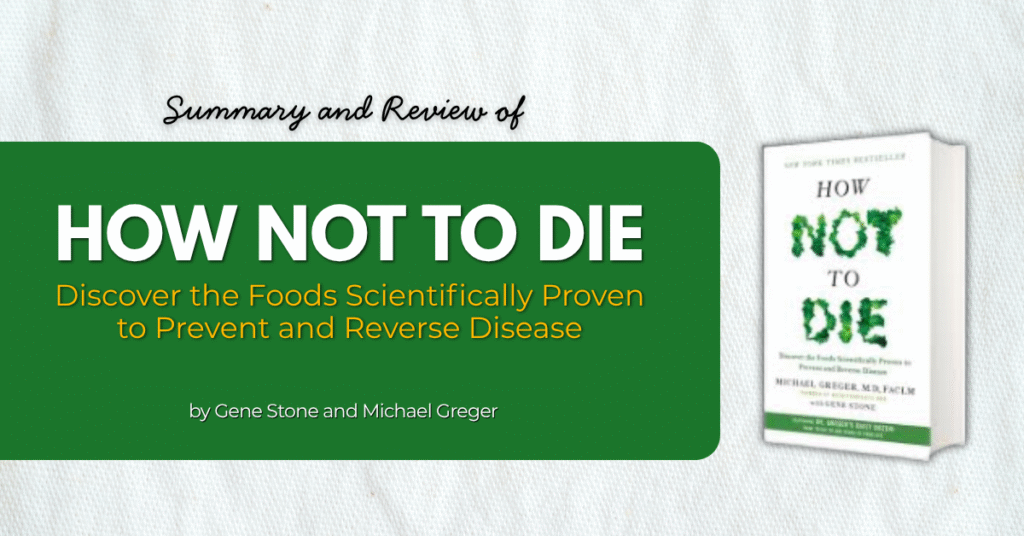
How Not to Die by Dr. Greger: Life-Changing Lessons on Diet, Health, and Longevity

There are some books you read and move on from… and then there are the ones that stay with you long after the last page. “How Not to Die”, a great book written by Gene Stone and Michael Greger felt like that for me, and for many members of the GLC Community (Click HERE to learn more about GLC). Most of us have started applying the lessons from the book. For me, I read the book slowly, and what stayed with me was realising how much of our health is quietly shaped by the small, everyday choices we treat as normal. At its core, the book keeps returning to one clear idea: many of the diseases we fear do not just happen to us randomly. They often grow from patterns, especially what we eat, and those patterns can be changed (if you really want to). Here’s a breakdown of the book with the practical steps we can all take to live a healthy life. Brain Disease: Brain health isn’t something to think about only in old age. It’s something that shapes how we live, think, feel, and function every single day. We all need a healthy, functioning brain to enjoy a good quality of life. Our memory, focus, mood, decision-making, and even emotional balance all depend on how well the brain is supported over time. Conditions like stroke and Alzheimer’s are influenced by long-term habits, including what we eat. Diets high in salt, saturated fats, and processed foods can raise blood pressure, increase clot risk, and gradually affect brain function over time. It often comes down to small daily choices, what you spread on your bread, your snacks, what fills your plate. Swapping butter for olive oil, adding spinach, or choosing blueberries over biscuits may feel small, but they add up. Foods like berries, leafy greens, nuts, flaxseeds, and whole grains help support and protect the brain over time. Heart Disease: Heart disease is still the leading cause of death worldwide, yet many people feel fine until something suddenly goes wrong. What’s surprising is that plaque (fat buildup in the arteries), can start forming as early as childhood, long before symptoms appear. Over time, it narrows the arteries and slows blood flow, and if it ruptures, it can trigger a clot that leads to a heart attack. The encouraging part is that it’s largely preventable. In places like rural China and Uganda, where diets are built around grains, legumes, and vegetables, heart disease is rare. Whole-food, plant-based eating doesn’t just lower cholesterol, it can even help reverse arterial damage. Choosing more beans, leafy greens, and fruits, while cutting back on animal fats and processed foods, makes a difference. Even simple swaps, like oatmeal with berries instead of bacon, matter. Digestive Cancers: Our gut is more than a digestive system. It’s a key part of our overall health. Fiber-rich foods like beans, whole grains, fruits, and vegetables feed good gut bacteria and help the body clear out harmful substances. On the other hand, diets high in red and processed meats, excess sugar, and fried foods increase cancer risk. Adding turmeric, cruciferous vegetables, and colorful produce to improve our gut health. Simply put, your plate becomes part of how you protect your gut every day. Infections: I don’t think we talk enough about how much what we eat supports our immune system. It’s not just about avoiding germs, it’s about whether your body is ready for them when they come. Some animal products can expose us to pathogens, while plant foods quietly strengthen our defense system. Foods like garlic, mushrooms, green tea, and colorful fruits and vegetables give your body what it needs to fight foreign substances. Choosing more plant-based meals isn’t only about preventing long-term diseases; it’s about equipping your body daily to stay healthy. Diabetes: For a long time, many of us thought sugar was the main problem. But it goes deeper than that. When there’s too much fat, especially from animal sources and processed foods, it interferes with how insulin works. The beautiful part is that the body responds when we make changes. Foods like beans, whole grains, nuts, and even simple additions like cinnamon or a splash of vinegar can help stabilize blood sugar. There are real stories of people turning things around just by changing how they eat. And yes, you can do the same. High Blood Pressure: High blood pressure is often seen as something that just comes with age, but that’s not the full story. What we eat plays a huge role. Diets high in processed foods, excess salt, and animal products can push blood pressure up over time. On the other hand, foods rich in potassium—like bananas, beans, leafy greens, beets, and flaxseeds—help bring it down naturally. In some cases, these changes can be just as effective as medication, without the extra burden on the body. Liver Disease: Your liver is constantly working for you behind the scenes, and it is affected by more than just alcohol. Diets high in animal fat, sugar, and refined carbs can lead to fat buildup in the liver. The encouraging part is that the liver can heal when you support it adequately. Eating more plant-based foods, especially vegetables like broccoli and cabbage, and reducing or completely eliminating alcohol, can help reduce that burden and even reverse early damage. Kidney Disease: The kidneys do a lot of quiet work filtering waste from the body. When we consume too much animal protein, it can put extra strain on the kidneys over time. Shifting towards plant proteins, along with fruits, vegetables, and foods like flaxseeds, can ease that load. For people already dealing with kidney issues, healthy diets can help slow down the progression of the disease and support better function for longer. Cancer: Cancer isn’t one single disease, and it rarely has one single cause. It builds up over time from a mix of genetics, environment, and lifestyle patterns. What research keeps pointing to is a pattern: diets high in processed meats,

How Not to Die by Dr. Greger: Life-Changing Lessons on Diet, Health, and Longevity Read More »

Book Summaries, , , , , , , , , , , , , , , , , , , , , , , , , , , , , , , , , ,