
Book Summaries

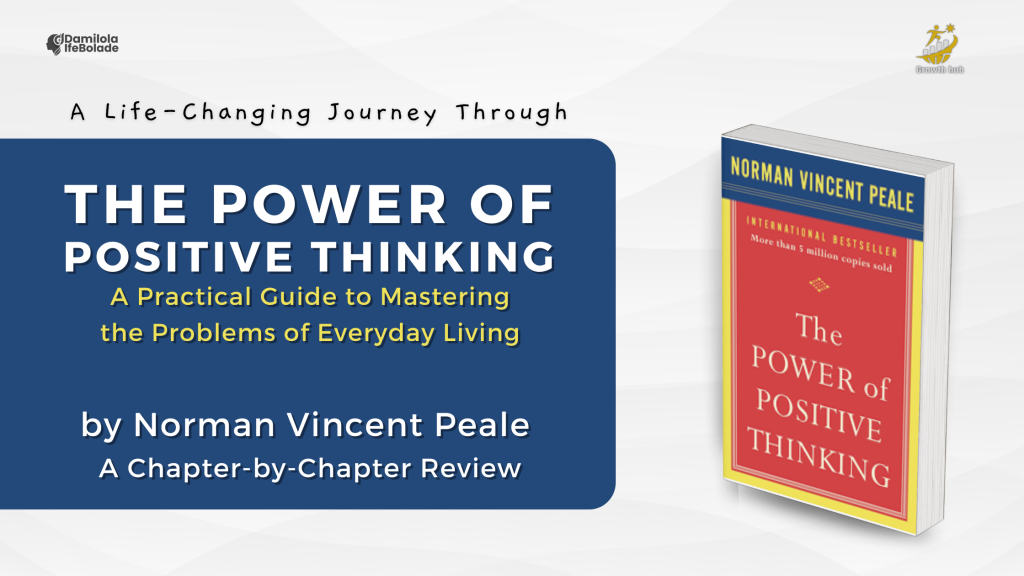
A Life-Changing Journey Through “The Power of Positive Thinking” by Norman Vincent Peale: A Chapter-by-Chapter Review

We have all been blessed with a gift, called LIFE! Even though it is a gift, it is sometimes full of challenges. But how we face these challenges determines the story we tell. Norman Vincent Peale’s timeless classic, The Power of Positive Thinking, is an inspiring reminder that our thoughts shape our realities. I’m not just about wishful thinking but about cultivating an inner strength that transforms our lives, no matter the circumstances. The central message of this book is simple yet profound: believe in yourself, trust in God’s power, and you can achieve remarkable things. Let’s dive into the chapter-by-chapter summary. Chapter 1: Believe in Yourself It is no news a sense of inferiority and inadequacy can block the path to achieving our dreams. But you need to know this: self-confidence paves the way to self-realisation and success. I know, believing in yourself isn’t always easy. Yet, faith in your abilities is a non-negotiable foundation for success and happiness. Without it, we risk stumbling over doubts that were never meant to define us. Here are some actionable steps to build self-confidence: Create a mental picture of success: Visualize yourself as a winner. Not once, not twice, but repeatedly, if possible daily, until this image becomes part of who you are. Counter negativity with positivity: When those “I’m not good enough” thoughts creep in, replace them with uplifting affirmations. For example, “I am capable,” or better still, “I can do all things through Christ who strengthens me.” Stop magnifying obstacles: We’re often our own worst enemies, blowing challenges out of proportion in our imagination. Instead, focus on solutions and opportunities. Be authentically you: While it isn’t bad to have mentors or role models, trying to mimic others only robs you of your unique brilliance. Remember, there’s only one you, and that’s your superpower. Anchor your faith in God: Say this affirmation with confidence, “If God be for me, who can be against me?” It is a game-changer. Say it. Believe it. Live it. Chapter 2: A Peaceful Mind Generates Power Let’s face it, life can be noisy, externally and internally. But know that a peaceful mind is the secret to unlocking inner strength. Think about it: when your mind is calm, you’re more creative, focused, and resilient. You can achieve more. But how do we achieve such peace in a world filled with distractions? Try these practical techniques: Practice emptying your mind: Every day, set aside a moment to let go of mental clutter. Whether it’s unresolved worries or lingering frustrations, visualize yourself releasing them. Breathe deeply and let peace wash over you. Fill your mind with healthy thoughts: Emptying your mind is just half the battle. Immediately replace the void with thoughts that inspire, uplift, and energize you. For me, this could be reflecting on God’s promises or recalling moments of gratitude. Speak peaceful words audibly: Words carry power. Peale suggests using soothing phrases like “peace,” “calm,” or “contentment.” Scripture or poetry works beautifully too—lines that resonate deeply with your soul. Begin each day with positive affirmations: Set the tone for your day by affirming peace, joy, and success over yourself. It’s amazing how this simple habit can influence your mood and outcomes. Chapter 3: How to Have Constant Energy It’s easy to feel drained when we are constantly doing so much. But here’s the thing, TRUE energy doesn’t come from a cup of coffee or a power nap. The source of all energy is God. The universe is filled with energy—whether it’s atomic energy, electric energy, or spiritual energy—and God is the source of it all. When we connect with God, we tap into that divine energy, the same energy that creates and recreates the world. Just as spring renews itself every year, God’s energy refreshes us, too. By staying in touch with Him, we can feel that constant flow of energy in our lives. It’s not about trying to push through each day; it’s about letting God’s energy flow through you, fueling your actions and thoughts. Chapter 4: Try Prayer Power Prayer has the potential to change our lives. The author, quoting a famous psychologist, tells us that prayer is the greatest power available for solving personal problems. It’s not just a way to ask for help; it’s a force that can refresh us every time and renew us every day. Prayer brings us back to our Creator, and enables us to face the world with a calm and positive outlook. One of the most effective approaches to prayer is what Peale calls the “Prayerize, Picturize, Actualize” method. This means that you start by praying for the situations or challenges in your life. Picture them in your mind as already resolved, and then take action to make them a reality. This powerful formula helps us align our spiritual energy with our physical world. To get the most out of prayer, follow these simple rules: Set aside a few minutes each day to pray. Use simple, natural words when you pray. God is our Father, we can be real and open in His presence. Pray as you go about your day; make it part of your routine. Spend more time giving thanks than asking for things. Gratitude opens the door for even greater blessings. Chapter 5: How to Create Your Own Happiness Happiness isn’t something that happens to you; it’s something you choose. You have the power to decide whether to be happy or unhappy. And the way you think has a massive impact on your happiness. Our mindsets are habits we cultivate, and as we change spiritually, we begin to see the physical world around us shift. Happiness becomes more attainable, and success feels easier when we align our thoughts with positivity and gratitude. Here’s how you can create your own happiness: Keep your heart free from hate and worry. These emotions only weigh you down. Live simply and expect little, but give much. The less you hold onto, the more you can share. Scatter love and

A Life-Changing Journey Through “The Power of Positive Thinking” by Norman Vincent Peale: A Chapter-by-Chapter Review Read More »

Book Summaries, , , , , , , , , , , , , , , , , , ,

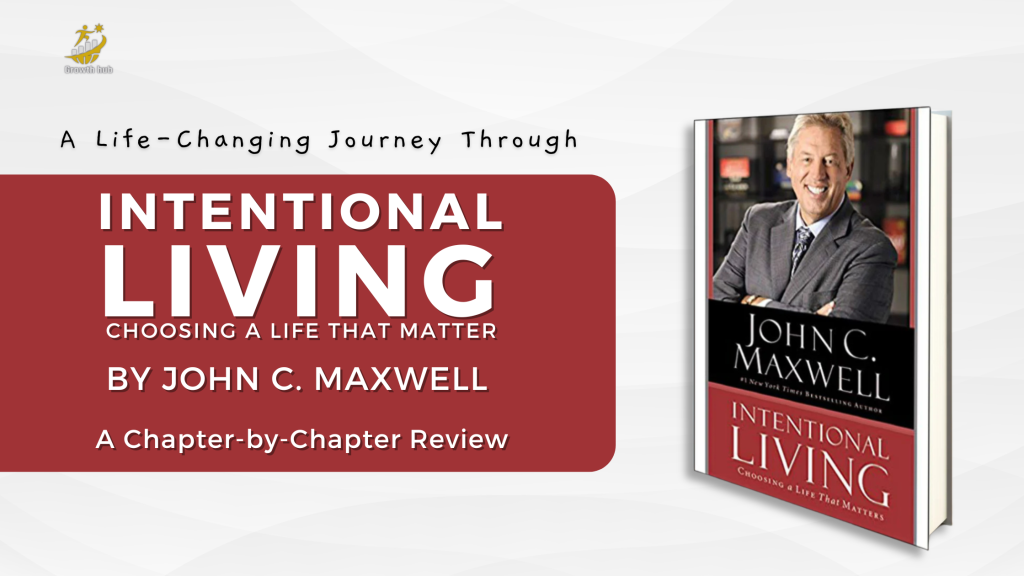
A Life-Changing Journey Through “Intentional Living” by John C. Maxwell: A Chapter-by-Chapter Review

Ever had one of those nights where you’re lying in bed, deep in thought, staring at the ceiling, and asking yourself, “Is this all there is to life?” I have been there. That’s why John C. Maxwell’s book, Intentional Living: Choosing a Life That Matters, hit me right in the heart.  This book was recommended by my mentor, Dr. Samuel Ekundayo. I’m extremely grateful to have read it and have also recommended it to my community. I’ll be sharing a short review of the book here today. This book has shifted how I view my daily choices and their impact on the people around me and the world. As someone who’s always looking for ways to make a meaningful impact, this book resonated deeply with me, and I can’t wait to share its wisdom with you. Introduction Here’s the thing about intentional living as described by the author, it’s not some mystical concept reserved for spiritual gurus or life coaches. It’s simply about picking up the pen and writing our own story instead of letting life write it for us. The beautiful part is that, there’s no pressure to be perfect (thank goodness!), just a commitment to making daily progress and living a purposeful life. Chapter 1: Your Life Can Be a Great Story In the opening chapter, the author encourages us to see ourselves as the authors of our own stories. What struck me most was his emphasis on taking control of our narrative. No more blaming circumstances or others, it’s time to own our story. Don’t let your limitations define you, instead let your intentions shape you. Look around you, look within. If you don’t like what you see, if you don’t like how your story is turning, start TODAY and write a new chapter. Don’t wait for the perfect time; it might never come. If you want your story to be worth reading, start NOW! Start doing the things you want to be remembered for. Doug Horton’s words echo this sentiment beautifully: “Be your own hero. It’s cheaper than a movie ticket.” Chapter 2: Why Good Intentions Aren’t Enough Having a good heart and good intentions is great. But here’s the hard truth – good intentions alone won’t create change. Beyond just desiring a better life for people around do, start doing the little things you could to help. Only actions change life. Maxwell drives this point home with Zig Ziglar’s principle: “If you will first help others get what they want, they will help you get what you want.” This chapter challenges us to move beyond wishful thinking to real action. It’s not enough to want to make a difference, we have to take consistent, intentional steps toward significance. Don’t just wish for impact; act on it daily. Chapter 3: Start Small but Believe Big This chapter is a game-changer if you’ve ever felt overwhelmed by your dreams. Maxwell reminds us of Parker Palmer’s liberating insight: “We do not have to save the world, we must merely make a difference in the place where we live.” The idea is simple, start where you are with what you have. The power lies in consistent, small actions fueled by big beliefs. Think of it like this: you don’t have to feed an entire city, but you can cook a meal for one person. Visit one sick person in the hospital. Pay someone’s transport fare. Give an extra tip to an employee. Say ‘thank you’ with intention. The list goes on. Small, meaningful acts create ripple effects that lead to real change. Maxwell’s challenge? “Do all the good you can. By all the means you can. In all the ways you can. In all the places you can. At all the times you can. To all the people you can. As long as ever you can.” Chapter 4: Search Until You Find Your Why In this chapter, the importance of discovering your purpose – your “why” was highlighted. The author explains that knowing your why gives meaning to your life and guides your decisions. Think of your why as the reason God created you. Without it, life can feel empty and directionless. Maxwell reminds us: Every person was created to make a difference – including you! Every person has unique talents to make the world better – including you! Every person has opportunities to impact others – including you! Every person has a God-given purpose – including you! Every person must take time to reflect and discover their purpose – including you! As one of my mentors puts it, “Purpose is the cure to suicide.” When you know your why, you’ll wake up every day with a reason to live and make an impact. Chapter 5: Put Other People First In this chapter, the author shifts the focus to serving others. True greatness comes when we care about people, value their stories, and help them win in life. We must remember that while we are important, others are too. The key to significance is loving and serving people well. Instead of competing, we are encouraged to focus on contributing. Use your gifts to lift others up, not tear them down. When we make others better, we become better ourselves. Chapter 6: Add Value to Others from Your Sweet Spot Building on serving others, the author encourages readers to add value by operating from their strengths and passions. He called this your “sweet spot.” This is where your talents, passions, and opportunities meet. Here’s how you can add value: Value yourself – You can’t give what you don’t have. Value others intentionally – Show genuine care. Be grateful – Acknowledge what others have done for you. Respect what others value – Find common ground. Keep growing – Stay valuable by continually improving yourself. When you work from your sweet spot, you make the greatest impact and feel the most fulfilled. Chapter 7: Connect with Like-Minded People John Maxwell emphasizes the power of community. Surround yourself with people who share your passion

A Life-Changing Journey Through “Intentional Living” by John C. Maxwell: A Chapter-by-Chapter Review Read More »

Book Summaries

Charting Your Course for 2025

As the clock ticks toward a brand-new year, there’s this special sense of excitement in the air—a fresh start, a clean slate, and endless possibilities. But here’s the thing: without a clear target, it’s easy to drift through the year, feeling busy but not really moving forward. Imagine you’re driving a car with no destination in mind. Sure, the journey might feel adventurous at first, but eventually, you’ll burn fuel, waste time and energy without getting anywhere meaningful. Life works the same way. When you set goals, you’re giving yourself a destination—a reason to wake up with purpose each day and make steady progress toward something meaningful. The Scripture made it clear that we need to “Write the vision; make it plain on tablets, so he may run who reads it” (Habakkuk 2:2). That’s a reminder that having a clear vision helps us stay focused, motivated, and intentional. So, why not make the next year different? I believe desiring a change begins with identifying the areas of your life that need an upgrade; the ones you know require your attention and improvement. In this post, I’m sharing five key areas where most people long for change, along with some book recommendations to help guide your growth. Are you ready to chart your course for the year? Let’s dive in! 1. Spiritual Growth It is noteworthy that our spiritual life is the foundation for everything else. Growing spiritually means deepening your relationship with God. It isn’t just about ticking off a checklist of religious activities. A deeper connection with God provides direction and purpose. It helps you live beyond the day-to-day hustle and see the bigger picture of His plan for your life. You could start by dedicating 15-30 minutes each morning to reading the Bible and journaling your reflections. I can tell you for free that journaling helps a lot. I have practiced this for years, and the results has been amazing. You could as well aim to complete a one-year reading plan by December 31. There are lots of template online that could help with this. Practical Step: Find a devotional or Bible app that fits your season of life. You could also join a Bible study group for added accountability. An audio Bible app could also help; I recommend Bible.is. “Draw near to God, and He will draw near to you” (James 4:8). Book Suggestion: The Holy Bible (Strongly Recommended) “Knowing God Intimately” by Joyce Meyer 2. Personal Development One statement I always like to share is this: No one should drive you better than you. The only true competitor you have is yourself. This means striving each day to be a better version of who you were yesterday. Every year presents new opportunities to grow, improve, and evolve to become a better version of yourself. Think about areas where you’ve felt stuck or dreamed of improvement. In this year, challenge yourself to grow mentally, emotionally, and professionally. Invest in the skills, habits, and mindset that help you thrive. Set a personal growth goal, this could be starting journaling (if it’s new to you), or doing it more often, joining a music or a dance class, improving time management, or facing a fear. Look for resources – podcasts, webinars, or courses – whichever works best for you. Set a specific time and day to do this. Stay consistent on it, the outcome will amaze you. Book Suggestions: “Atomic Habits” by James Clear (Strongly recommended) “The 7 Habits of Highly Effective People” by Stephen R. Covey: Timeless principles for personal and interpersonal effectiveness. 3. Health & Wellness Saying “health is wealth” isn’t a cliche. Your health is one of your greatest assets. Without it, pursuing other goals becomes much harder. A healthy body and mind enable you to live fully, serve others, and pursue your goals with energy and focus. Prioritizing wellness doesn’t have to mean big, intimidating changes. Small, consistent habits can make a world of difference. It could start with as simple as exercising for 10-30 minutes, three times a week; taking a short daily walk; replacing soda with water; increasing water intake; or even dancing in your living room. Intentionally add more fruits, vegetables, and nuts to your diet. NOTE: Staying hydrated is a fundamental aspect of maintaining good health, and ignoring it can hinder your body’s ability to function at its best. Water supports nearly every function in your body. It helps maintain your body temperature, aids digestion, flushes out toxins, supports joint health, and keeps your skin healthy. Without enough water, your energy levels drop, your organs can become overworked, and you might experience headaches, fatigue, or difficulty concentrating. Tip to drink more water: Always make sure you have a water bottle within reach throughout the day. To make it even more enjoyable, try adding some refreshing fruits like watermelon, lime, or lemon. Start small and be realistic. Tiny changes add up! Book Suggestions: “The Daniel Plan” by Rick Warren, Dr. Daniel Amen, and Dr. Mark Hyman “Eat Smarter” by Shawn Stevenson: A guide to improving your health and energy through better nutrition. 4. Relationship Building There is an adage in my dialect that means “A tree cannot make a forest“. We were created for connection. Good relationships bring joy and encouragement. Does that mean it will be free from offence? Absolutely, not! But relationships also teach us patience, forgiveness, and love – the heart of Christ’s message. This year, be intentional about strengthening existing relationships and building new, meaningful ones. Emphasis on meaningful! A quick call or message to a loved one can go a long way. Forgive freely, know that carrying grudges weighs you down more than the other person. Writing a list of people you want to reconnect with could help. Set phone reminders to check in with them regularly – whether through a text, call, or visit. This has helped me a lot. Book Suggestions: “The Five Love Languages” by Gary Chapman (Strongly Recommended) “Crucial Conversations” by Kerry Patterson, Joseph

Charting Your Course for 2025 Read More »

Book Summaries

Building a Life of Purpose: Key Lessons from The Power of Focus

Life can sometimes feel overwhelming, especially when we’re trying to balance work, personal goals, and everything in between. We often find ourselves pulled in different directions, making it hard to stay focused on what truly matters. But what if there were a way to bring more clarity and purpose to our daily routines? In The Power of Focus by Jack Canfield, Mark Victor Hansen, and Les Hewitt, the authors share simple yet impactful strategies for creating habits that lead to lasting success. The book emphasizes how focusing on the right things—small, daily choices—can transform our lives. Through real-life examples and actionable tips, it helps you determine what to prioritize and how to make progress toward your dreams without feeling overwhelmed. In this post, I’m sharing some of the most valuable lessons from the Ten Focusing Strategies the authors present, which you can start applying right now. Let’s get started! 1. Your Habits Will Determine Your Future In this opening chapter, the authors emphasize that “life doesn’t just happen to you; it’s all about the choices you make.” Interestingly, the results of bad choices or habits may not be evident until later in life. We must note that habits are key – they become part of our identities and lay the foundation for either success or failure. For instance, if you want to improve your health, start by developing a habit of making healthy choices each morning. You may need to quit certain foods and gradually modify your lifestyle. Though it may seem like a small commitment, over time, these choices become second nature and contribute to your overall well-being. “Successful people,” the authors say, “are simply those with successful habits.” Focus on one small, achievable habit at a time. 2. It’s Not Hocus-Pocus—It’s All About Focus There’s a popular adage: “If wishes were horses, even beggars would ride.” Wishful thinking won’t bring success; focus is the driving force. It’s essential to commit to what you truly want. The authors advise, “Invest your time in doing what you do best and let others do what they do best.” Focusing on your strengths maximizes your impact. If you’re struggling to stay focused, try the authors’ 4-D Solution: – Dump it: Say “NO” to certain tasks without regret. – Delegate it: Assign it to someone else if it’s necessary. – Defer it: If it’s not urgent, postpone it. – Do it: Tackle urgent, essential tasks now. Sometimes, you need to say “NO” to tasks or people that don’t align with your God-given purpose or your current season. Don’t feel guilty for protecting your focus. 3. Do You See The Big Picture? When Peter Daniels, a popular and respected Australian Christian international business stateman and the author of How to Reach Your Life’s Goals, was asked the secret to his success, he replied, “I scheduled time to think… All of my greatest ideas, opportunities, and money-making ventures started with the days I took off to think.” Visualization is crucial in staying connected to our goals. Developing a habit of mentally rehearsing your ideal outcomes each day and reviewing your progress helps you stay on track. Imagine yourself as an athlete visualizing winning every race. Picture the finish line in every practice; this strengthens your commitment and confidence. Feel free to dream big—it doesn’t hurt. Surround yourself with others who have ambitious goals and won’t undermine your vision. Remember, “Keep your ears and eyes open every day and listen to your intuition.” 4. Create an Optimum Balance Jim Rohn famously said, “When you work, work. When you play, play.” Creating clear boundaries between work and personal time enhance productivity. For optimum balance, try the B-ALERT system from the book: – Blueprint your vision. – Act on your goals. – Learn continuously. – Exercise for health. – Relax to recharge. – Think reflectively. Using B-ALERT helps you manage life’s demands without losing focus on your purpose. Implemented well, this structure allows you to handle work without risking burnout. 5. Building Excellent Relationships The importance of healthy relationships cannot be overemphasized. Healthy relationships produce incredible results and can change one’s life forever. The authors note, “You become like the people you spend the most time with.” Apostle Joshua Selman also mentioned, if you stick around 5 fools, you didn’t count well. They are actually six (paraphrased). Learn to be intentional about surrounding yourself with positive influences and avoiding toxic relationships. Toxic people not only derail your dreams; they also affect your health and overall well-being. If someone habitually pulls you down, consider letting go. When you find the right people, nourish those relationships. Seek genuine feedback from mentors, and be willing to make the necessary changes. 6. The Confidence Factor Confidence is a habit that should be developed and improved daily. Fear can be a major obstacle to focus, and it often only exists in the mind. The authors encourage readers to step into their fears because “Everything you want is on the other side of fear.” Face your fears, plan for them, and celebrate each victory. Confidence grows with action, not just wishing. Here are six confidence-building strategies: – Focus on what went well instead of what didn’t. – Get inspired by biographies of successful people. – Be thankful; things could be worse. – Surround yourself with great minds. – Set and achieve short-term goals. – Celebrate small successes, perhaps weekly. 7. Ask for What You Want The power of asking is often underestimated. Especially in business, don’t be too shy to ask—you never know if you’ll receive unless you ask. Ask for information, more business, testimonials, referrals, and feedback. To make your requests effective: – Be clear about what you want. – Ask confidently. – Be consistent. – Ask creatively. – Be sincere. 8. Consistent Persistence Consistency and persistence are essential qualities, and combining them is powerful. It’s important to be at your best consistently. Life is about choices, and you must stand firm in what you believe. Be known for your values and

Building a Life of Purpose: Key Lessons from The Power of Focus Read More »

Book Summaries

I’m Not Dumb – Part 2

Growing up as the daughter of a talented fashion designer, people often assume I’d follow in her footsteps. But I knew from a young age that fashion design wasn’t my calling. I love very classy dresses, but making them seemed like rocket science to me. Does this mean I’m dumb? Definitely not! This revelation of my disinterest in fashion design always leave others puzzled especially considering the potential for fashion design. But I crave excellence and don’t want to invest my energy on a profession I cannot thrive in. The Truth About Career Choices Being a fashion designer’s child doesn’t guarantee success in the field for me, just as being an engineer’s child doesn’t predetermine the child’s success as an engineer. I commend parents who genuinely wants the best for their children, and choose the career they feel is best for them. However, it isn’t the best when parents impose their wills on their children, not minding the child’s interest. Parents are stewards, accountable to God for their wards. Your background, parents’ occupation, and personality may spark expectations, but it is essential to prioritize God’s design for your life. Choosing a career that misaligns with your purpose is an abuse of God’s design – an abuse of yourself. As God’s creation, our career choices should align with what we are created or designed for. Others’ opinions are secondary, serving only to confirm God’s revelation to you. Jesus said, “I am the vine, you are the branches. If a man remains in me and I in him, he will bear much fruit; apart from me you can do nothing.” (John 15:5, NIV) Just as a branch thrives only when connected to the stem, our lives flourish when rooted in God. Take time to reflect on your gifts, talents and abilities. Seek God’s guidance and direction. Your future is worth it. Photo Credit: AI

I’m Not Dumb – Part 2 Read More »

Book Summaries

I’m Not Dumb – Part 1

No, I’m not, and neither are you. I doubt if anyone is. In high school, Physics was a thorn in my flesh. So, when I see people, especially ladies, excelling in physics, I’m impressed, but sometimes I feel inferior. Was it my fault? Not entirely. In our society, we often judge a child’s intelligence based on their performance in “tough” subjects. For centuries, the concept of intelligence has been narrowly defined as solely academic achievement. However, renowned American psychologist Dr. Howard Gardner’s “Theory of Multiple Intelligences” challenges this notion. He identifies nine types of intelligence, suggesting each person has multiple intelligences. Let’s explore them: 1. Linguistic Intelligence: They have highly developed oratory skills, effectively using words; they’re word and language smart. These are writers, storytellers, etc. 2. Logical-Mathematical Intelligence: They’re highly reasoning, calculating, and solving puzzles; they’re numbers and reasoning smart. Think Albert Einstein. 3. Bodily-Kinesthetic Intelligence: They communicate through body language, coordinating their minds with their bodies, e.g., sportsmen, dancers, actors. 4. Musical Intelligence: They’re music-smart, sensitive listeners. (Not all singers are musically intelligent.) 5. Spatial Intelligence: They’re picture smart, environmentally aware, drawing and designing effectively, e.g., artists, sculptors, interior decorators. 6. Interpersonal Intelligence: They enjoy interacting with people, are people smart, give and receive mentoring conveniently, and connect with others effectively, e.g., teachers. 7. Intrapersonal Intelligence: They’re naturally self-motivated, disciplined, and prefer independent study, e.g., spiritual leaders, coaches. 8. Naturalist Intelligence: They’re nature smart, having a natural love for nature, e.g., botanists, chefs. 9. Existential Intelligence: They tackle life’s tough, deep questions about human existence, e.g., spiritual leaders. According to the dictionary, “dumb” means lacking intelligence. Having reviewed these nine types of intelligence, we must know that no one is weak or dumb. Most people feel unfulfilled because they aren’t doing what they’re naturally good at. They’re trying to be someone they’re not designed or wired to be. The Bible reminds me, “… I am fearfully and wonderfully made; marvelous are Your works, and that my soul knows very well.” (Psalm 139:14, NKJV) Don’t feel intimidated by someone else’s strength and uniqueness. Instead, identify yours and develop it until it places you before people who matter. Of these nine types of intelligence, can you identify yours? Keep in mind: “For we are God’s handiwork, created in Christ Jesus to do good works, which God prepared in advance for us to do.” (Ephesians 2:10, NIV) Reflect on your strengths and interests to discover your unique intelligence. Keep being excellent!  

I’m Not Dumb – Part 1 Read More »

Book Summaries