
Dami

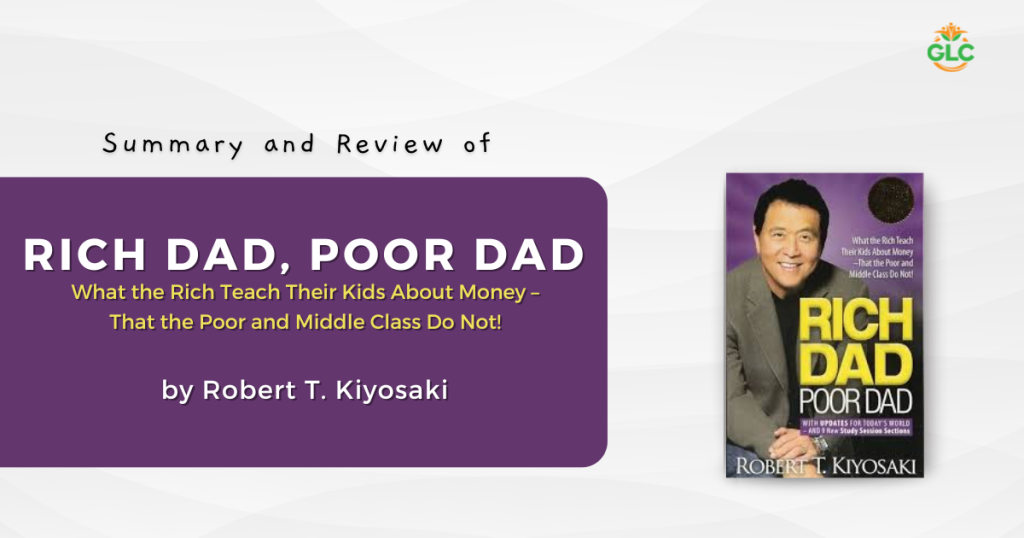
Rich Dad Poor Dad Summary: Life-Changing Money Lessons from Robert Kiyosaki

What truly separates those who merely earn money from those who build lasting wealth? That’s the big question at the heart of this best-selling book: Rich Dad, Poor Dad by Robert Kiyosaki. This isn’t just a book about money. It’s about how we think. It’s about mindset. Through two very different father figures, his highly educated but financially limited “Poor Dad” and his entrepreneurial, wealthy “Rich Dad”, Kiyosaki shows us just how deeply our beliefs about work, money, and success shape our future. One dad encouraged job security, saving, and climbing the corporate ladder. The other encouraged learning how money works, taking calculated risks, and building assets that create freedom. In this summary, we’ll walk through each chapter and unpack the core lessons that continue to challenge, inspire, and guide readers around the world. Let’s dive in. Chapter 1: The Rich Don’t Work for Money Most of us grow up being told to get a good job, work hard, and chase promotions. But the rich think differently. They don’t work for money, they make money work for them. It’s not just about income; it’s about mindset. Fear and greed often drive us into financial traps: staying in jobs we don’t love or overspending to feel secure. The rich learn to master their emotions and focus on building capacity and clarity, not just comfort. Chapter 2: Why Teach Financial Literacy? It’s not always just about how much we earn, it’s about how much we keep and how wisely we manage that which is kept. Many of us make the mistake of buying liabilities that drain our pockets while calling them assets. But real financial literacy starts with understanding the difference. Assets put money into our lives. Liabilities take it out. It’s simple, but powerful, and it changes how we handle everything from housing to habits. Chapter 3: Mind Your Own Business Too often, we spend our entire lives working for someone else’s dream. Even if we’re employed, we can still build our own businesses, our own asset columns. This is so essential. Kiyosaki encourages us to think beyond our professions. What we do for a living is one thing, of course it must be well done. But what we own, what builds wealth in the background, is our true business. We must learn to think long-term and invest in ownership, not just labour. Chapter 4: The History of Taxes and the Power of Corporations The rich play the money game by a different set of rules, unlike the poor. While most employees earn, pay taxes, and spend what’s left, the rich earn, spend, and then pay taxes on what remains, legally, through corporations. This isn’t about trickery; it’s about understanding the system and making it work for us. It’s a powerful reminder that complaining about the rules won’t change our lives, but learning them might be the game-changer. Chapter 5: The Rich Invent Money We often believe that wealth comes from luck or connections. But in truth, financially intelligent people create their own opportunities. They spot possibilities that others miss because they’ve trained their minds to look for them. They act when others freeze. We don’t have to wait for perfect conditions to move. With knowledge, creativity, and courage, we can learn to invent money too. Chapter 6: Work to Learn, Don’t Work for Money What if we chose jobs not just for the paycheck, but for the skills they teach us? Rich Dad urged Robert to try different roles so he could learn how money, business, and people really work. Sales. Leadership. Investing. Communication. These aren’t just “nice to have” skills, they’re wealth-building tools that should be learnt. As leaders and learners, we grow the most when we step out of our comfort zones and stretch our abilities. Chapter 7: Overcoming Obstacles Even when we know what to do, many of us still don’t act. Why? Because of fear, doubt, laziness, bad habits, and ego. These are the inner blocks that keep us stuck. Kiyosaki reminds us that success isn’t about being fearless, it’s about being brave enough to act anyway. Personal growth, financial mastery, and leadership all start with the same thing: courage to move forward. Chapter 8: Getting Started So how do we begin? Kiyosaki offers simple but powerful action steps. Define your “why.” Surround yourself with people who push you to grow. Learn a few key money principles and apply them. Pay yourself first. Use assets, not salaries, to fund your lifestyle. Start small. Start now. We don’t need to have it all figured out. We just need to take one step, then another. Chapter 9: Still Want More? Here Are Some To-Dos Finally, the book closes with a challenge: most people read books, feel inspired, and then do nothing. Don’t let that be you. Kiyosaki encourages readers to make offers, invest in knowledge, shadow mentors, and take baby steps. You don’t have to be perfect. You just have to be intentional. Remember, execution beats theory. Watch the market. Test your ideas. We grow by doing, not just by reading. Perfection isn’t the goal. Progress is. Final Thought Rich Dad Poor Dad is a reminder that financial freedom doesn’t start with money, it starts with mindset. It’s about challenging what we’ve been taught, stepping outside our comfort zones, and leading ourselves toward growth. Financial intelligence, emotional mastery, and a bias for action aren’t optional anymore, they’re essential. So build your vision. Master your finances. Lead your life.

Rich Dad Poor Dad Summary: Life-Changing Money Lessons from Robert Kiyosaki Read More »

Book Summaries, , , , , , , , , , , , , , , , , , , ,

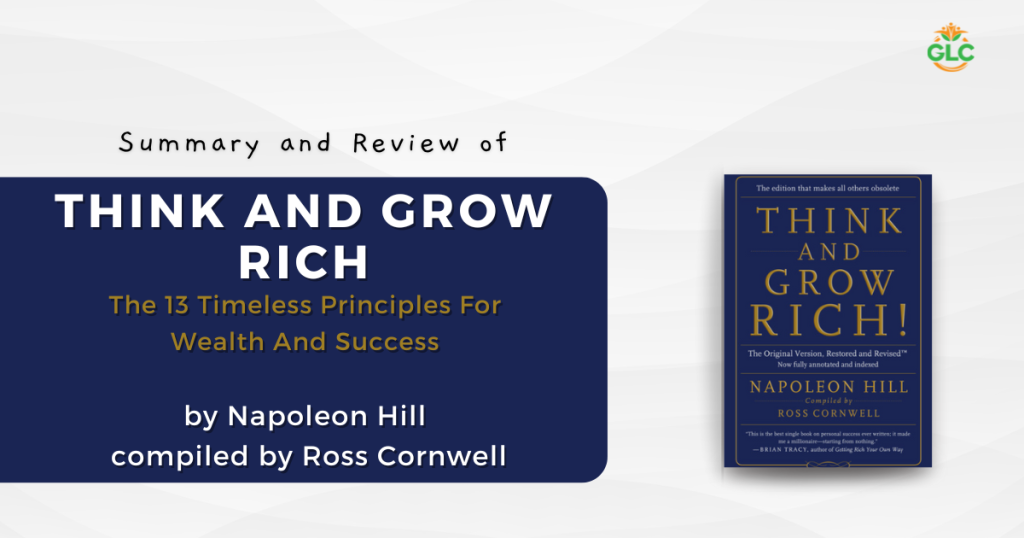
THINK AND GROW RICH- The 13 Timeless Principles For Wealth And Success

INTRODUCTION Think and Grow Rich by Napoleon Hill is a timeless classic, which talks about unlocking the power of your mind to achieve anything you truly desire.  More than a book, it’s a blueprint for personal transformation. It teaches that your mindset shapes your destiny and with the right belief, desire, as well as persistence, no goal is out of reach. This isn’t just about growing rich in wealth, it’s about growing rich in purpose, clarity and self-belief. Whether you’re an entrepreneur, a student, a dreamer, or someone just searching for direction, success isn’t just about luck, talent or where you were born, real success comes from mastering your thoughts, habits and beliefs.  Join me as we explore the principles of lifetime riches together. CHAPTER 1 – DESIRE: The Starting Point of All Achievement In this chapter Napoleon Hill made one thing very clear, which is if you truly want to succeed, you must deeply, passionately want it, not just wish for it, not just hope, it has to burn like a fire inside you. “Desire is the starting point of all achievement.” This isn’t about daydreaming, it is about having a burning desire, backed by faith and action, which separates successful people from everyone else. A good example is the story of Edwin C. Barnes, a man who had one dream: to work with the famous inventor Thomas Edison. Barnes didn’t know Edison personally, he had no money, no connections just a clear goal in his mind, but he was so determined that he hopped on a freight train and showed up at Edison’s lab. He didn’t get a high position right away, but he worked hard and stayed focused, eventually, his moment came. Edison gave him a chance to sell one of his inventions, Barnes grabbed the opportunity, proved himself and went on to become Edison’s partner. A burning desire will unlock the doors for greatest achievements. CHAPTER 2 – FAITH: The Visualization of and Belief in the Attainment of Desire If desire is the spark that starts the fire of success, then faith is the fuel that keeps it burning.  Faith is the foundation of all great achievements. This doesn’t mean religious faith (though the concept can overlap); it means belief in yourself, in your dreams and in your ability to succeed even before there’s any physical proof. Faith is more than just hope or positive thinking, it is a state of mind that can be created through repeated affirmations (what Nill calls “auto-suggestion”) and emotional involvement. When you repeat something to yourself often enough and truly believe it; you begin to act as if it’s already real. The mind is like a garden, your thoughts are the seeds. When you mix those thoughts with emotion especially belief and desire they start to take root and grow. The combination of desire and faith is a kind of spiritual power. When they are blended together, you gain the inner strength to take bold actions, to push through obstacles and to remain confident even when the world doubts you. Success doesn’t start with outside conditions, it starts in the mind. CHAPTER 3 – Auto-Suggestion: The Medium for Influencing the Subconscious Mind Auto-suggestion: Simply put, it’s the practice of feeding your mind with positive, goal-driven thoughts over and over until they become part of your belief system. It is a way to influence your subconscious mind by repeating thoughts, ideas or goals regularly with emotions and beliefs, think of it as self-talk with a purpose. The subconscious mind doesn’t filter what it receives, it simply accepts repeated thoughts as truth, especially when they come with strong emotion. So, if you want to change your life, you must first change what you constantly say to yourself. Hill writes: “Plain, unemotional words do not influence the subconscious mind, you will get no appreciable results until you learn to reach your subconscious mind with thoughts or spoken words which have been well emotionalized with belief.” That means your affirmations must not only be repeated often, but also felt deeply. This combination of repetition and emotion rewires your beliefs and habits. CHAPTER 4 – Specialized Knowledge: Personal Experiences or Observations You’ve probably heard the saying: “Knowledge is power” but in this chapter, Napoleon Hill makes an important clarification: “Knowledge is only potential power. It becomes power only when it is organized into definite plans of action and directed toward a clear goal.” In other words, just knowing things isn’t enough, what matters is what you do with what you know. There are two types of power: General Knowledge: This includes facts, theories and random information like what you might learn in school. It’s broad and scattered. Specialized Knowledge: This is focused, practical and useful knowledge, the kind that can help you make money or achieve a specific goal.  Hill emphasizes that success comes from acquiring and using specialized knowledge that helps you solve problems or create value. You Don’t Need to Know Everything Just What Matters. An example is the story of Henry Ford, who wasn’t highly educated in a traditional sense, but he surrounded himself with people who had the knowledge he needed. He organized and directed that knowledge to build one of the greatest industrial empires of his time. In a world overwhelmed with information, those who know how to apply the right knowledge at the right time, for the right reason have the advantage. CHAPTER 5 –  Imagination: The Workshop of the Mind Ever heard the saying, “If you can dream it, you can achieve it”? This chapter dives into the mental engine behind that idea: Imagination. Hill calls it “the workshop of the mind,” because it’s where desire, faith and knowledge are shaped into plans. It’s where success is first born not in the real world, but in your thoughts. “Man can create anything which he can imagine.” According to Hill, imagination is the ability to form mental pictures of things that don’t yet exist. It’s your inner workshop,

THINK AND GROW RICH- The 13 Timeless Principles For Wealth And Success Read More »

Book Summaries, , , , , , , , , , , , , , , , , , ,

Think Better, Live Better | The Power of Words for Mental Wellness

Did you know that every time you repeat a thought or speak certain words, your brain literally rewires itself? You’re not just thinking—you’re building. Brick by brick, your words and thoughts shape your mental architecture. So… what are you feeding your brain today? Our brain absorbs input daily—from food, emotions, environment, and especially our words. And those words? They’re not just sound. They carry weight. Power. Instruction. Science calls it neuroplasticity—your brain’s God-given ability to reshape itself based on repeated thoughts and beliefs. The Bible calls it renewing your mind (Romans 12:2). Here’s the truth I wish someone told me earlier: Your words are not just motivational fluff. They’re spiritual and scientific tools of transformation. When you speak things like: – “I have the mind of Christ” – “God has given me power, love, and a sound mind” – “I am calm under pressure” …you’re not escaping reality—you’re declaring a higher one. You’re feeding your brain truth. And over time, your brain leans in that direction. But when you say things like: “I’m always tired,” or “I can’t get anything right” …your brain takes note too. It adapts. It rewires. It agrees. So here’s my encouragement: 💛 Choose truth. 💛 Speak it daily. 💛 Let your ears hear it. 💛 Write it out. 💛 Keep going, even when it feels slow. Because this is more than mindset—it’s warfare. The enemy wins when he hijacks your words. But you win when you align them with God’s Word. Let the weak say, “I am strong.” (Joel 3:10) Say it until your soul believes it. Your brain is listening. Nourish it well. If this resonates with you, drop a truth you’re affirming this week in the comments—I’d love to hear from you. Until next time, Stay rooted. Stay renewed. And remember: Your mental space matters. Protect it daily.

Think Better, Live Better | The Power of Words for Mental Wellness Read More »

Blog, , , , , , , , , , , , , ,

Your Brain: The Quiet CEO Behind Everything You Do

Have you ever noticed how your mood can switch in an instant, from calm and cheerful to anxious or overwhelmed? And you wonder, “What’s going on with me?” Here’s a little secret: your brain is quietly running the show. The brain is more than just an organ. It’s the command center of your thoughts, emotions, and daily choices. With over 86 billion nerve cells constantly in conversation, your brain controls everything, from your heartbeat and breathing to your feelings, focus, and reactions. Even when you sleep, it’s working. Years ago, during a lab experiment, my team and I had a deep moment as we observed how the brain gives life direction — even more than the heart. Without it, the body may be alive, but not truly living. So here’s what your brain does every single day: – Tells your body what to do (like smiling or walking) – Keeps you alive without thinking (breathing, digesting) – Helps you think, feel, and make decisions – Interprets the world around you through your senses Over 2,000 years ago, Hippocrates said: “From the brain come joys, laughter, griefs, and sorrow… when it is not healthy, everything is affected.” That’s why brain care matters. If you’re mentally tired, emotionally drained, or feeling stuck — your brain may simply need more support and nourishment. And that’s what this blog is all about. So if you’re ready to care for your brain in simple, natural ways, stay tuned. We’ll explore practical tools, everyday foods, and faith-based steps to support a sound, focused, joy-filled mind. I’d love to hear from you, what’s one thing you’d love to learn about your brain? Drop it in the comments below!

Your Brain: The Quiet CEO Behind Everything You Do Read More »

Blog, , , , , , , , , , , , , ,

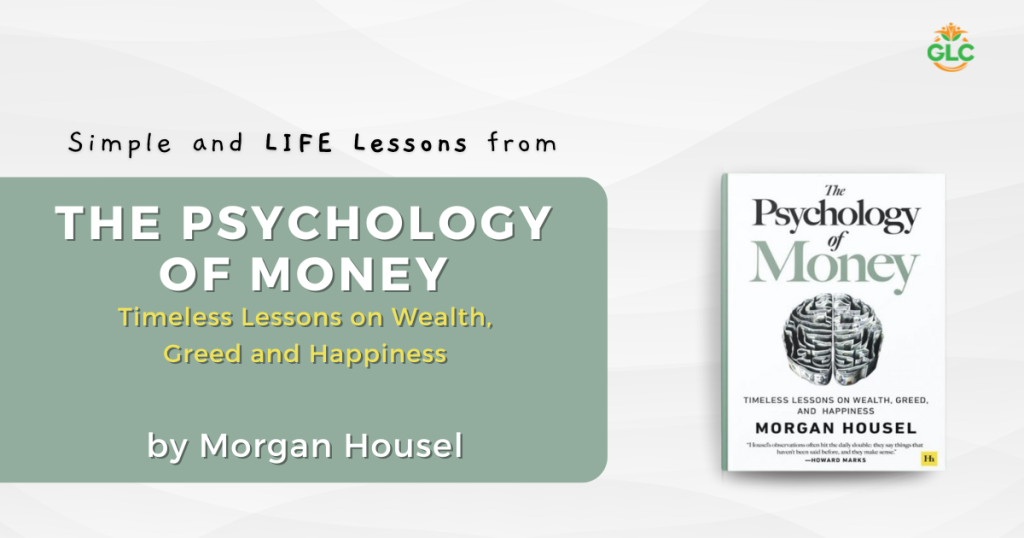
Summary of The Psychology of Money: Timeless Lessons on Wealth, Greed and Happiness

Introduction Money is a big part of all our lives—it influences the choices we make, the goals we chase, and even how we feel about success. As a team, we’ve had plenty of conversations around money—what it means to us, how we handle it, and how we can grow in our financial journeys. So, reading The Psychology of Money by Morgan Housel felt like the perfect fit. This book isn’t about complex financial strategies or investment tricks. It’s about the human side of money—our behaviors, habits, and emotions. Through real-life stories and simple wisdom, Housel helps us see that true financial success often comes down to how we think, not just what we know. In this post, we’re excited to share the key takeaways and lessons that really stood out to us as a team—things we believe everyone can relate to, no matter where you are on your financial journey. So, let’s walk through some of the core ideas in The Psychology of Money—chapter by chapter. Chapter 1: No One’s Crazy When it comes to money, we all think we’re being reasonable—but the truth is, we’re mostly shaped by our own tiny corner of the world. Think about it: your personal experiences with money make up less than 0.00000001% of what’s happening globally, yet they probably influence about 80% of how you think money works. That’s why what seems like irrational financial behavior to one person might make perfect sense to another—once you understand their story. Money decisions are rarely just about logic. They’re rooted in our upbringing, emotions and what we’ve been exposed to. If you grew up seeing your parents struggle to make ends meet, you might become a saver who avoids all risks, but if you came of age during a boom in tech or crypto, taking risks may feel like the norm. Considering generational perspectives: many Millennials chase financial success for the status as well as the respect it brings, while the older generation often just want to survive and provide. It’s not that one group is wiser or crazier than the other—they’re just responding to different worlds. So here’s the big takeaway: don’t be quick to judge how others handle money, don’t blindly copy them either. What worked for them may not work for you—because your experiences, fears and motivations are different. We all see money through our own lens. Understanding this truth can make us more empathetic and wiser with our financial choices. Chapter 2: Luck & Risk Money stories are never black and white. Sometimes success is about being in the right place at the right time. And sometimes failure isn’t because someone didn’t try hard enough—life just threw curveballs. Imagine two friends start a business. One sets up a POS service in a busy location and thrives. The other, in a quieter neighborhood, barely breaks even. Same hustle, same skill—different outcomes. Was one smarter than the other? Not really. One just got luckier. That’s how life works. Luck and risk are twins—we don’t always see them, but they’re behind many of our results. So when someone succeeds, be slow to idolize them. When someone fails, be slow to judge. Stay humble in success, be compassionate in others’ failure, because so much of life is out of our hands. Chapter 3: Never Enough Money is good, but the endless chase for more can destroy the very peace you hoped it would bring. There are people with millions who are still not satisfied—they want more. And sometimes, that greed leads them to foolish or even illegal choices. Like the man earning well from his job who got tempted by a “double-your-money” scam. He lost everything chasing what he didn’t need. The lesson? Know when to say, “This is enough.” Contentment is a shield, it protects your peace, your integrity and your future. Greed, on the other hand, keeps moving the finish line—and one day, you might lose what you already have trying to get what you don’t need. Chapter 4: Confounding Compounding Big wealth doesn’t always come from big moves—it often comes from small, steady steps taken over time. Warren Buffett is a perfect example, of his $84.5 billion net worth, over $81 billion came after he turned 65. Why? Because he started early and let compounding work for decades. That’s the magic—tiny gains, multiplied by time. You don’t need a huge income to build wealth. Even saving ₦5,000 a month in a modest investment can grow into something meaningful over the years. The hard part is being patient enough to wait for the results. So don’t underestimate the power of small beginnings. Save first, spend later and let time multiply your efforts. That’s how wealth grows. Chapter 5: Getting Wealthy vs. Staying Wealthy Making money is one thing, keeping it is another. There are many ways to get rich—through skill, timing or even luck. But staying rich? That requires a different mindset: one of caution, humility and discipline. We’ve all seen stories—someone strikes gold through business, politics, or the entertainment industry and suddenly, money is flowing, but without planning, many lose it all just as fast as it came. On the flip side, someone running a small shop with wisdom and consistency can build lasting wealth. To stay wealthy, you must respect the risks. Don’t spend to impress. Don’t gamble your savings. Live wisely and plan for the long term, because wealth is not just about gaining—it’s about sustaining. Chapter 6: Tails, You Win Have you ever looked at someone who “blew” overnight and thought, “Wow, they’re so lucky?” Here’s the truth: behind every big success you admire—whether it’s a booming business, a viral idea, or a life-changing investment—there were probably dozens of failed attempts you never saw. That’s the power of what Morgan Housel, in The Psychology of Money, calls a “tail event.” These are the rare, one-in-a-thousand breakthroughs that make up for a long string of failures. In life and investing, you don’t have to get it right every time. You just

Summary of The Psychology of Money: Timeless Lessons on Wealth, Greed and Happiness Read More »

Book Summaries, , , , , , , , , , , , , , , , , , ,

Helen Keller: The Unstoppable Journey of Resilience and Triumph

There’s a story I once read about a young girl who, at just 19 months old, was struck by an illness that left her both deaf and blind. For most, that would have been the end of the road. Who amounts to something in life without the eyes and eyes? Many would ask. But this girl refused to let her circumstances define her. That girl was Helen Keller. Her story is one of perseverance against all odds, I’ve ever read. It shows us that even in the darkest moments, there is a way to break through and find light. Hellen’s life is a powerful testament to the strength of the human spirit, how far we can go, even in the face of unimaginable challenges. Let’s take a closer look at how Helen turned her challenges into triumph. Helen Keller was born on June 27, 1880 as a healthy child in Tuscumbia, Alabama, 1880 to Kate Adams Keller and Colonel Arthur Keller. she lost her sight and hearing at just 19 months old due to an illness. In 1882, Helen fell ill with what the family doctor referred to as “brain fever,” causing a high fever. The exact nature of the illness is still uncertain, but some experts speculate it could have been scarlet fever or meningitis. A few days after the fever subsided, Keller’s mother observed that her daughter no longer reacted to sounds, such as the dinner bell, or to visual cues, like a hand being waved in front of her face. Imagine the pain of her m For most, such a loss would seem like an insurmountable barrier, but for Helen, it became the foundation for an extraordinary journey of perseverance and triumph. Instead of succumbing to her limitations, Helen found a way to communicate, learn, and thrive. Many thanks to her devoted teacher, Anne Sullivan, who was always there for her. She transformed her from an unruly child, once known for throwing temper tantrums that shook the household, into a disciplined and focused young girl. Helen learned to read, write, and engage with the world through touch. The darkness that once defined her world began to fade as she discovered the power of language and connection. Despite her disabilities, Keller attended Radcliffe College and graduated in 1904. Can you imagine the significant challenges she would have encountered along the way? Her path wasn’t just about surviving; it was about thriving. Helen became the first deaf-blind person to earn a college degree, an accomplishment that seemed impossible to many. She went on to become an influential author, speaker, and activist, using her platform to advocate for the rights of people with disabilities and inspiring millions with her message of hope and resilience. What makes Helen’s story even more powerful is her unwavering determination. She didn’t just overcome her challenges—she transformed them into opportunities. Helen once said, “Alone we can do so little; together we can do so much.” Her life shows us that even in our darkest moments, human connection and belief in ourselves can light the way forward. Helen Keller’s legacy teaches us that the only limits we face are the ones we accept. Her story is a reminder that no matter how difficult life may seem, with determination and the right support, we can rise above anything. Here are some lessons from her story No matter how tough life gets, you have the strength within you to push forward and overcome challenges. Success doesn’t come easily, but with hard work, determination and consistency, you can turn obstacles into stepping stones. Yes, you can. Having the right people by your side can make all the difference in achieving your goals. We need people to go far. Believing in yourself, even when the world doubts you, is the first step toward achieving greatness. Half of the battle is won, if you believe in you. Your challenges don’t define your potential; they can become the foundation for something extraordinary. Your scars should serve as a testament to your victories, not your defeat. So, don’t give up when things get tough—sometimes, all you need is to re-strategize or seek guidance. This is a reminder that you are stronger than you realize. While taking a break is important, let it be a time to recharge and find new ways to move forward, not a reason to settle Rooting for you, always. References Hellen Keller’s Biography More About Hellen

Helen Keller: The Unstoppable Journey of Resilience and Triumph Read More »

Get Inspired, , , , , , , , , , , , , , , , , , ,

God Never Wastes Your Pain

I recently read a book, “Increasing Your Capacity to Experience the Divine Unlimiting God” by Richard Blackaby. In this book, the author shared a very touching story about his teenage son, Daniel. When Daniel was fifteen, he faced severe sleep issues, sometimes staying awake for 72 hours straight. This left him feeling lonely and frustrated. His parents tried every remedy and consulted multiple doctors, but nothing helped. One night, at 3:00 a.m., Daniel hit a breaking point. Crying out to God, he asked, “Don’t You care about me? Why won’t You answer my prayers for sleep?” Two days later, he received a handwritten letter from a friend in his youth group. She explained that she had been woken up in the middle of the night with a strong urge to write to him. In the letter, she shared Matthew 11:28: “Come to Me, all you who labor and are heavy laden, and I will give you rest.” She assured him of God’s love and special plan for his life. Shaken, Daniel ran to her house to ask when she wrote it. She revealed it was the same night he cried out to God—around 3:00 a.m. This experience showed Daniel that God was listening and cared deeply for him, even in his lowest moments. Daniel struggled to understand why God allowed his sleepless nights, but he began to see a purpose in his pain during a summer camp with his youth group. At the camp, the teens shared their personal struggles. A girl revealed she had almost taken her own life after a difficult year but reached out to Daniel online late at night. She thought he wouldn’t reply, but because of his sleep issues, he responded immediately, and their conversation saved her life. She told the group, “If Daniel hadn’t been awake that night, I wouldn’t be here today.” Another boy shared how he had planned to end his life early one morning. As he numbed his wrist in preparation, he decided to call someone first. Knowing Daniel often stayed awake all night, he called him. Daniel answered immediately, and their conversation stopped him from going through with his plan. He told the group, “If Daniel hadn’t been awake that night, I’d be dead today.” Four others shared how Daniel’s resilience through his sleeplessness inspired them to face their own struggles that year. When Daniel returned home from camp, he told his parents he no longer saw his sleeplessness as a curse. He realized God had used his challenge to accomplish something extraordinary. God gave him an assignment to save lives and bring hope to others during one of the hardest seasons for his youth group. God doesn’t inflict pain on His children; He is not the source of evil. However, when He permits challenging circumstances, He can use them for His glory if we surrender to Him. No matter how difficult things may seem, one truth remains constant: God loves you. This unwavering love never changes. When we allow uncomfortable situations to shape us, they can do a profound work in us, making us better and stronger. Do you believe that God is for you? Share with me in the comment section. Rooting for you, always!

God Never Wastes Your Pain Read More »

Blog, , , , , , , , , , , , , , , , , , ,

11 Key Life-Changing Lessons from Who Moved My Cheese by Dr. Spencer Johnson

It is no news that change is inevitable, yet so many of us resist its tides, clinging to the familiar while yearning for growth. If you’ve ever felt stuck or paralyzed by fear of the unknown, unwilling to move from your comfort zone, “Who Moved My Cheese?” by Spencer Johnson is a sure wake-up call. This short read tells the story of four characters – Sniff, Scurry, Hem, and Haw – each on a journey through a maze, in search of their elusive “Cheese.” But here’s the twist: the “Cheese” is a metaphor for everything we hold dear. Meanwhile, the maze mirrors the unpredictable landscapes of life we all face. As I turned the pages of this book, I found myself chuckling and sometimes nodding at the profound truths tucked into its simplicity. It’s a story that reveals our relationship with change and challenges us to look inward to see whether we sniff out new opportunities, scurry toward growth, resist in fear, or adapt and thrive. Here, I’ll share some lessons on embracing change from this insightful book. Let’s dive in! 1. What You Fear Might Never Happen Fear often paralyzes us, but most of the things we fear never come to pass. Often, breakthroughs come when you simply decide to take a step forward. Whatever it is you’ve set your mind to do, and you’re afraid of failure, ask yourself: Is this fear truly valid, or is it just my mind creating roadblocks? Instead of thinking “what if I fail?”, think “what if I succeed?” 2. Your Friends Are Great Determinants of Your Success or Failure Sometime ago, I stumbled upon a humorous video clip that cleverly pointed out: when surrounded by five foolish people, the total count is actually six.  In other words, the people you surround yourself with can either inspire you to move forward or limit you to remain in stagnation. You become the average of the closest people to you. Therefore, choose your company wisely. 3. Nothing Will Move If You Don’t Move We’ve all heard the saying “if wishes were horses, even beggars would ride.” This is a reminder that no great achievement happens solely through wishful thinking. To make progress in any area of life, action is needed. It is true that the first steps may be uncomfortable, but know that hesitation only prolongs discomfort and prolongs the process. So, it’s time you decide to take that first uncomfortable step and let the momentum build. Just start somewhere! 4. Set Your Heart on Positive ‘What Ifs’ Rather Than Negativity It’s natural for our brains to be on the lookout for threats and what may go wrong. This is because our brains are wired to keep us safe from danger. But to achieve more in life, you may need to shift your focus to the potential good that lies ahead, instead of dwelling on negatives. What if things work out better than you ever imagined? This should be your focus. Don’t dwell too long on negativity. 5. Dare to Stretch; You Have More Strength Than You Think Life’s challenges often reveal untapped strength within us. You’re capable of more than you realize – all it takes is the courage to stretch. You’d be surprised at how far you can go. Go outside your usual space, go a step further. Dare to stretch! 6. Picture the Future You Desire Have you ever heard the saying, “What the mind can conceive, the hands can achieve”? It’s a powerful truth. When you vividly imagine your desired future, you’ll be amazed at how it can motivate and inspire you to take action. What’s your vision for your life? What dreams do you want to achieve? Take a moment to close your eyes, visualize your goals. Write it down, post it somewhere you can see it often, and let it propel you forward. 7. No One Gives Up and Makes It Big Reading biographies and stories of great achievers has always been a great encouragement to me. That’s why I have a blog session for people who want to Get Inspired by other people’s stories of resilient. Every great achievement story involves consistency and persistence. Giving up is a surefire way to miss out on what could have been. So, even when the journey gets tough, keep pressing on. You cannot make it big if you give up! 8. Change Doesn’t Seek Permission Change is inevitable; it doesn’t wait for an invitation, neither does it seek permission from anyone but it will surely come. The question is, will you prepare for it or be caught off guard? While many soar on the winds of change to do big stuff, others crash. The best thing you can do is stay alert and ready to adapt. Change will always come, prepare for it. 9. Start Early, Start Now—Why Wait? Procrastination has always and will always be a dream-killer. The longer you wait to take action, the harder it becomes to get started. Don’t let delay hold you back from achieving your goals. While you may be dragging your feet, someone somewhere may seize that same idea in your head and get ahead of you. Why not start now? Remember, momentum is your friend. Take the first step today. 10. Let Go of the Past The past is where it belongs – behind us. Why bring it into the present? Clinging to the past can hold you back; it’s no longer relevant. Your past doesn’t define your future unless you let it. If there’s a need for corrections or restitution, please make amends and then move on. Release the past and move forward – beautiful things are ahead! 11. Laugh at Your Foolishness Transformation begins with self-awareness and a dash of humor. When you learn to laugh at your own mistakes, you’ll be amazed at how much lighter and freer you’ll feel. Instead of beating yourself up over errors, smile at your missteps, learn from them, and decide to do better. And ensure you

11 Key Life-Changing Lessons from Who Moved My Cheese by Dr. Spencer Johnson Read More »

Book Summaries, , , , , , , , , , , , , , , , , ,

Valentine’s Day and Self Love: Why You Should Be Your Own First Valentine

Another February 14 is here, and you know what it’s known for – Valentine! Valentine’s Day often comes wrapped in grand displays of affection. But beyond the noise of traditions and trends, there’s one person who deserves your love most – YOU, yes you! Just yesterday, I was discussing with husby, I mentioned to him that for many years, I didn’t know it’s okay to take oneself out on a date. It never occurred to me until one of my mentors mentioned that she constantly have lunch dates with herself, and yes, she’s married. She buys herself ice cream, just breathe and rest. This makes so much sense to me, and guess what, I’ve tried that a couple of times, even in marriage. Believe me, it’s a great thing to try. Valentine’s Day isn’t only for couples or romance. It’s a reminder that love, in its purest form, starts from within. I love to talk a lot about self-love since I understood the fact that, we cannot give what we do not have. If you don’t love yourself, how can you love your neigbour as our Father, as recorded in the Scripture, wants us to? The verse actually encourages us to love others, as we do ourselves. In other words, the amount of love you can give, is proportional to the amount you have in you. So, while the world celebrates their lovers – the real, fake or arranged – remember that the relationship you’ll carry for a lifetime is the one you have with yourself. What if, today, you became your own Valentine? Not out of loneliness, but out of deep, intentional love for who you are. I’m not a relationship expert or counsellor, but I’ve seen and learned that relationship or marriage doesn’t cure loneliness. A lonely person as a single will remain lonely even when in a company of others. So, we learn to be happy while alone, and that happiness will only multiply when shared. I am not underestimating the beauty or essence of relationship, companionship or marriage, I am simply emphasising that true happiness and fulfillment start from within, and that a healthy, whole individual is the best foundation for any successful partnership. Today is another day to encourage you to: Celebrate your wins, big or small. No matter how bad it looks, I’m sure you’ve had some victories. It’s a good time to pause and acknowledge how far you’ve come. Make time for joy. This requires intentionality, against the noise out there. It could be your favourite meal, a peaceful walk, or a playlist that lifts your spirit, just choose something that makes your heart smile, that thing that makes you come alive. Speak kindly to yourself. When there is external voices against you, should you join the critic hub? I encourage you to silence the inner critic. You may want to look into the mirror and see the beautiful work God has made. Speak out loud sweet words to who you see in the mirror. Rest, without guilt. This seems to be the sweetest thing I’m learning to do lately. Rest isn’t a reward; it’s a necessity. You don’t need permission to slow down and breathe. You don’t need to break down or crash before you sabbath. There are times we retreat from energy draining people and rest without apologies. Invest in your growth. How about you mark this year’s Valentine by starting a book or try something new? You are worth every moment you spend becoming your best self. Remember the saying, the best time to start was yesterday, a better time is today, and NOW. Express gratitude for who you are. Take time to reflect and write down things you appreciate about yourself, I’ll recommend a minimum of three. Self-love grows and thrives in the soil of self-acceptance. This Valentine’s Day, whether you’re spending it with someone or on your own, remember: You are worthy of the same tenderness you offer others. Let love start where it always should, from within. Do not forget this: the most beautiful relationship you’ll ever have is the one you nurture with yourself. Loving yourself should be a lifestyle. And it’s one you deserve—today and every day. Rooting for you, always!

Valentine’s Day and Self Love: Why You Should Be Your Own First Valentine Read More »

Blog, , , , , , , , , , , , , ,