
Dami

Life Stance: Positive or Negative – It is a Choice

Some time ago, I watched a short clip of a young man sharing a story about his close friend who tragically lost his life after running into a moving train, a heartbreaking consequence of depression. It pricked my heart deeply. This guy had hidden his pain so well that even his best friend had no idea what he was going through. As I listened to his story, I couldn’t help but wonder: How many people around me are hiding their struggles, wearing masks of happiness, and silently suffering? How many friends, family members, or colleagues are crying out for help, but their voices are muffled by the noise of our busy lives? This young man’s story broke me. It made me realize how fragile life is. I came across a term in a book recently —life stance, what does it mean? Life stance refers to the set of attitudes, assumptions, and expectations people hold about themselves, others, and the world in general. It’s how we see life, how we interpret challenges, and how we decide to move forward. Our life stance shapes our responses to life’s ups and downs, coloring our reactions with hope, resilience, or despair. Life stance forms the foundation from which we choose to face life’s unpredictable moments, whether with faith, courage, or fear. The truth is, as long as we live on this planet, we will face moments we neither expect nor bargain for: No one plans to seek admission for years without success – but it happens. No one dreams of graduating from university only to earn a meagre salary – but it happens. No one plans to experience trauma like rape – but it happens. No one wishes for a delayed marriage – but it happens. No one wants a failed marriage or divorce – but it happens. No one prays for a delay in childbearing – but it happens. No one plans for terminal illness – but it happens. Yes, even faithful children of God face unimaginable challenges. This is to remind you that no matter what you’re going through, someone, somewhere, has faced a similar situation. And believe me, many have grown beyond the experience… and are thriving. They do not look like what they have been through. You’re not alone in your pain. We truly can’t control everything that happens to us. But we do have the power to choose how we respond, grow, and learn from our experiences. Moreover, through prayer and wise counsel, we can gain the wisdom and guidance needed to navigate future challenges and avoid similar pitfalls. Here’s a truth you must always remember: Crying, regret, and brooding won’t fix any problem. If they could, they’d be listed as solutions. Instead, they often perpetuate a cycle of pain. So, what can we do? We can redirect our energy from regret to rebuilding our future. We can’t change the past, but we can learn from it and use those lessons to create a better tomorrow. Let’s rise above our challenges and find a way to heal, grow, and thrive. As John Maxwell says, “Having a positive life stance makes the good and bad experiences better, while having a negative life stance makes the good and bad experiences worse.” Ultimately, the choice is yours. Today, I encourage you to trust and depend on God for His best at all times. Now say with me: I expect God’s best at all times, and no matter what comes my way, I stand on this truth: God is good, and there is no evil in Him. I repeat: No evil is found in God! So, I choose a positive life stance. If you feel like no one cares or loves you, let me assure you—you are not alone. I do, and God loves you even more. Rooting for you, always!

Life Stance: Positive or Negative – It is a Choice Read More »

Blog, , , , , , , , , , , , , ,

A Victim of Plate: An Unexpected Lesson – Part 2

In the first part of this series, I shared how something as simple as a plate swap impacted my weight journey. It’s a reminder that small, seemingly insignificant choices can affect our health and well-being. Today, let’s go a step further. I’ve learned a thing or two about what works and what doesn’t about weight loss, both as a Biochemist and in my personal journey. If you’re like me, intentional about living well, I want to encourage and inspire you with tips that have helped me grow healthier, not just in body but also in my mind and spirit. Choosing to take better care of yourself is a step toward living a fuller, more joyful life. Remember, this isn’t just about losing weight—it’s about embracing wholeness. These simple steps could help Increase water intake: One of the things I do when I want to eat a little is to take at least a sachet of water before starting to eat. Several studies have reported that water may greatly help the weight loss journey. Water doesn’t add to your daily calorie count. Still, it may also help boost your metabolism to burn more calories and curb your appetite especially when taken before meals, making it a potential triple threat in supporting your weight management goals. Water is more than a thirst quencher, it could be a life-changer. Eat nutrient-dense foods: Certain foods foods fuel your body. Eat more whole, unprocessed foods like lean proteins (meats, fish, legumes), healthy fats (nuts, seeds, avocados, olive oil), fibre-rich whole grains and lots of colourful fruits and vegetables. I know you like sweet sweet things, but trust me, sweet things don’t like you. Do all you can to limit sugary drinks and foods high in added sugars. It’s a toxic relationship to your health, please quit. Wholesome eating isn’t deprivation; it’s a gift to yourself. Get enough sleep: Do you feel sleepy? Very sleepy? Please, sleep! Sleep is a healer. Unfortunately, many of us are not getting the quality sleep we need. Inadequate sleep has been linked to various diseases. Research by Roger and colleagues found that sleep disruption affects hunger hormones, leading to potential weight issues. The National Sleep Foundation recommends 7-9 hours of sleep per night for people of all ages. While I do not encourage oversleeping, as warned in the Bible (“A little extra sleep, a little more slumber, a little folding of the hands to rest” can lead to poverty), getting enough rest is essential. After working hard and smart, you deserve the rest your body and mind require. Eat smaller portions: As explained in the first part, the size of the plate may influence the amount of food taken; therefore, smaller plates and bowls should be used to control serving sizes. Will you feel like eating more? Most likely yes, this is where discipline could be useful and helpful. Understand your WHY for choosing to eat less, and your body will gradually adjust. Make time for physical activity: This one might be hard, especially if it’s not part of your everyday lifestyle. However, aiming for 30 minutes of moderate exercise daily could help. You might not start with 30 minutes; instead, start with 5 minutes, then 10, then 15, and increase as you progress. Taking a 30-minute walk, skipping, or jogging in your compound are simple ways to start. Don’t be hard on yourself: The first few weeks of trying to lose weight might be discouraging and seem as if there is no progress. It is worth emphasizing that gradual weight loss (1-2 pounds per week) is more sustainable and healthy than rapid weight loss. Even if it seems no change is physically observed, know that there are internal changes and the journey will be worth it. Believe in yourself: Never forget that you can do all things through Christ who strengthens you (Philippians 4:13). This includes achieving your weight loss goals with consistency and persistence. Get support: Sharing your goals with friends and family can be a powerful motivator. I’ve personally experienced the benefits of accountability – it’s helped me stay on track even when I felt like giving up. When we share our goals with like-minded individuals, we’re more likely to stay committed. Having a supportive network makes the journey easier and more enjoyable. So, ask yourself: Are you surrounded by people who encourage and support your goals? I hope this has blessed you! Let me hear your thoughts in the comment session. References https://doi.org/10.3389/fnut.2016.00018 https://doi.org/10.1002/dmrr.3667 https://pubmed.ncbi.nlm.nih.gov/29073398/

A Victim of Plate: An Unexpected Lesson – Part 2 Read More »

Blog

A Victim of Plate: An Unexpected Lesson – Part 1

A while back, I noticed my clothes were getting tighter, which could only mean one thing: I was gaining weight. Since I had been watching my weight for some time, this excess weight left me concerned. Like many of us who experience changes in our bodies, I felt a mix of worry and determination to understand what was happening. To address this mindfully, I started tracking my food intake and re-evaluating my lifestyle. That’s when I discovered the unexpected culprit: our new plates! How did this happen? Here is the gist. I recently found a plate design I loved and switched to it without much thought – sometimes the smallest changes can have unexpected effects on our wellbeing. I didn’t pay close attention to the fact that this plate was bigger than the former. This change led to serving larger portions at times, resulting in excessive calorie consumption. This simple swap significantly impacted my eating habits, causing weight gain. It’s amazing how being aware of these subtle changes can empower us to make better choices for our health. How is weight gained, you might want to ask. Weight accumulation, also known as weight gain, occurs when an individual consumes more calories than their body burns, resulting in an energy surplus. Understanding this process helps us approach our health journey with knowledge rather than judgment. This surplus energy is stored as fat, leading to weight gain. Below is a step-by-step explanation: You eat food and drinks containing calories, including carbohydrates, proteins, and fats. Your body breaks down these calories into simpler forms, absorbing them into the bloodstream. The absorbed calories are converted into energy (ATP) through cellular respiration. Your body uses energy for various functions like movement, growth, maintenance, and bodily functions. If the calories consumed exceed energy expenditure (use), the surplus energy is stored as glycogen (in the liver and muscles) or fat (in adipose tissue). Excess energy is stored as fat in adipose tissue, leading to weight gain/accumulation. Remember, weight fluctuations are a normal part of life, and our worth isn’t determined by the number on the scale. Also note that weight gain isn’t only about food intake. Factors influencing weight accumulation include excess caloric intake, hormonal changes (especially in pregnant women), genetics, a sedentary lifestyle, and some medical conditions. It’s important to approach these changes with self-compassion and understanding. Weight management involves balancing caloric intake with energy expenditure through a healthy diet and regular physical activity. The key is finding sustainable habits that work for your lifestyle while maintaining a positive relationship with your body and food. Small, mindful changes can create big waves in our health journey. Be kind to yourself—your worth is never measured by a plate, a scale, or a number. Progress is a celebration of self-love. Would you like to know easy ways to watch and reduce weight gradually? I’ll be sharing simple, sustainable approaches that prioritize both physical and mental well-being in the second part of this series. Look forward to it, and remember – every step toward better health, no matter how small, is progress worth celebrating.

A Victim of Plate: An Unexpected Lesson – Part 1 Read More »

Blog, , , , , , , , , , , , , ,

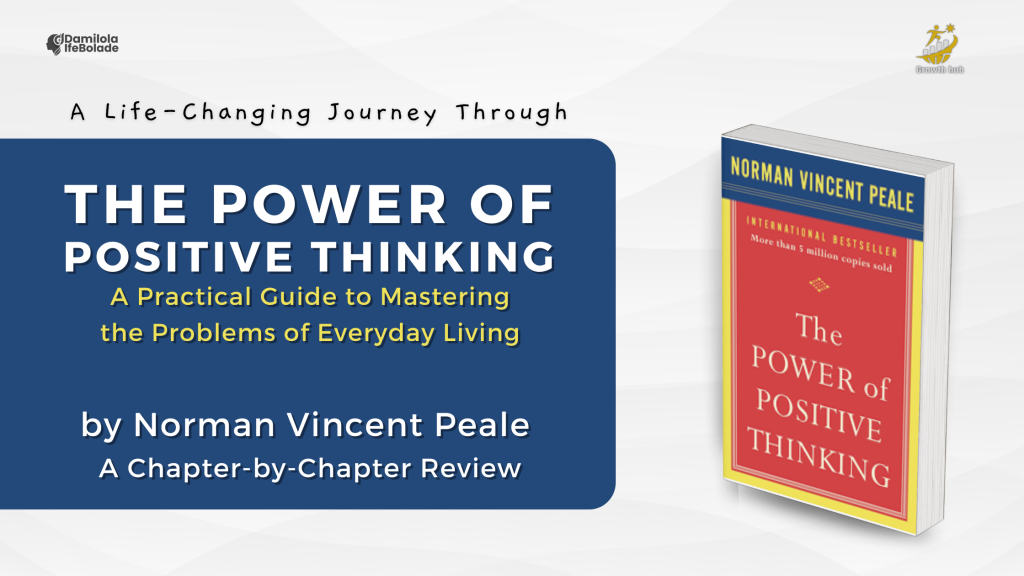
A Life-Changing Journey Through “The Power of Positive Thinking” by Norman Vincent Peale: A Chapter-by-Chapter Review

We have all been blessed with a gift, called LIFE! Even though it is a gift, it is sometimes full of challenges. But how we face these challenges determines the story we tell. Norman Vincent Peale’s timeless classic, The Power of Positive Thinking, is an inspiring reminder that our thoughts shape our realities. I’m not just about wishful thinking but about cultivating an inner strength that transforms our lives, no matter the circumstances. The central message of this book is simple yet profound: believe in yourself, trust in God’s power, and you can achieve remarkable things. Let’s dive into the chapter-by-chapter summary. Chapter 1: Believe in Yourself It is no news a sense of inferiority and inadequacy can block the path to achieving our dreams. But you need to know this: self-confidence paves the way to self-realisation and success. I know, believing in yourself isn’t always easy. Yet, faith in your abilities is a non-negotiable foundation for success and happiness. Without it, we risk stumbling over doubts that were never meant to define us. Here are some actionable steps to build self-confidence: Create a mental picture of success: Visualize yourself as a winner. Not once, not twice, but repeatedly, if possible daily, until this image becomes part of who you are. Counter negativity with positivity: When those “I’m not good enough” thoughts creep in, replace them with uplifting affirmations. For example, “I am capable,” or better still, “I can do all things through Christ who strengthens me.” Stop magnifying obstacles: We’re often our own worst enemies, blowing challenges out of proportion in our imagination. Instead, focus on solutions and opportunities. Be authentically you: While it isn’t bad to have mentors or role models, trying to mimic others only robs you of your unique brilliance. Remember, there’s only one you, and that’s your superpower. Anchor your faith in God: Say this affirmation with confidence, “If God be for me, who can be against me?” It is a game-changer. Say it. Believe it. Live it. Chapter 2: A Peaceful Mind Generates Power Let’s face it, life can be noisy, externally and internally. But know that a peaceful mind is the secret to unlocking inner strength. Think about it: when your mind is calm, you’re more creative, focused, and resilient. You can achieve more. But how do we achieve such peace in a world filled with distractions? Try these practical techniques: Practice emptying your mind: Every day, set aside a moment to let go of mental clutter. Whether it’s unresolved worries or lingering frustrations, visualize yourself releasing them. Breathe deeply and let peace wash over you. Fill your mind with healthy thoughts: Emptying your mind is just half the battle. Immediately replace the void with thoughts that inspire, uplift, and energize you. For me, this could be reflecting on God’s promises or recalling moments of gratitude. Speak peaceful words audibly: Words carry power. Peale suggests using soothing phrases like “peace,” “calm,” or “contentment.” Scripture or poetry works beautifully too—lines that resonate deeply with your soul. Begin each day with positive affirmations: Set the tone for your day by affirming peace, joy, and success over yourself. It’s amazing how this simple habit can influence your mood and outcomes. Chapter 3: How to Have Constant Energy It’s easy to feel drained when we are constantly doing so much. But here’s the thing, TRUE energy doesn’t come from a cup of coffee or a power nap. The source of all energy is God. The universe is filled with energy—whether it’s atomic energy, electric energy, or spiritual energy—and God is the source of it all. When we connect with God, we tap into that divine energy, the same energy that creates and recreates the world. Just as spring renews itself every year, God’s energy refreshes us, too. By staying in touch with Him, we can feel that constant flow of energy in our lives. It’s not about trying to push through each day; it’s about letting God’s energy flow through you, fueling your actions and thoughts. Chapter 4: Try Prayer Power Prayer has the potential to change our lives. The author, quoting a famous psychologist, tells us that prayer is the greatest power available for solving personal problems. It’s not just a way to ask for help; it’s a force that can refresh us every time and renew us every day. Prayer brings us back to our Creator, and enables us to face the world with a calm and positive outlook. One of the most effective approaches to prayer is what Peale calls the “Prayerize, Picturize, Actualize” method. This means that you start by praying for the situations or challenges in your life. Picture them in your mind as already resolved, and then take action to make them a reality. This powerful formula helps us align our spiritual energy with our physical world. To get the most out of prayer, follow these simple rules: Set aside a few minutes each day to pray. Use simple, natural words when you pray. God is our Father, we can be real and open in His presence. Pray as you go about your day; make it part of your routine. Spend more time giving thanks than asking for things. Gratitude opens the door for even greater blessings. Chapter 5: How to Create Your Own Happiness Happiness isn’t something that happens to you; it’s something you choose. You have the power to decide whether to be happy or unhappy. And the way you think has a massive impact on your happiness. Our mindsets are habits we cultivate, and as we change spiritually, we begin to see the physical world around us shift. Happiness becomes more attainable, and success feels easier when we align our thoughts with positivity and gratitude. Here’s how you can create your own happiness: Keep your heart free from hate and worry. These emotions only weigh you down. Live simply and expect little, but give much. The less you hold onto, the more you can share. Scatter love and

A Life-Changing Journey Through “The Power of Positive Thinking” by Norman Vincent Peale: A Chapter-by-Chapter Review Read More »

Book Summaries, , , , , , , , , , , , , , , , , , ,

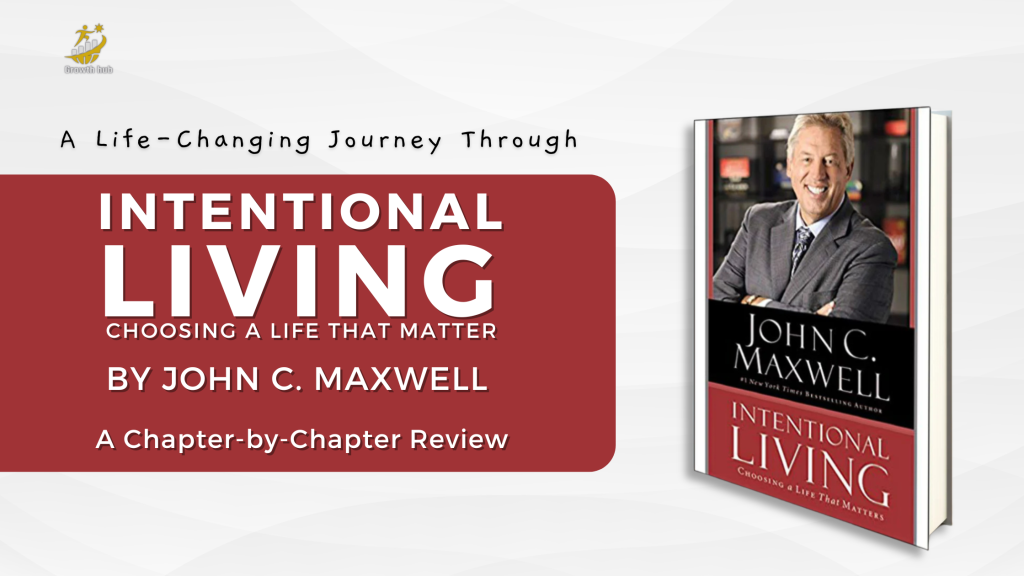
A Life-Changing Journey Through “Intentional Living” by John C. Maxwell: A Chapter-by-Chapter Review

Ever had one of those nights where you’re lying in bed, deep in thought, staring at the ceiling, and asking yourself, “Is this all there is to life?” I have been there. That’s why John C. Maxwell’s book, Intentional Living: Choosing a Life That Matters, hit me right in the heart.  This book was recommended by my mentor, Dr. Samuel Ekundayo. I’m extremely grateful to have read it and have also recommended it to my community. I’ll be sharing a short review of the book here today. This book has shifted how I view my daily choices and their impact on the people around me and the world. As someone who’s always looking for ways to make a meaningful impact, this book resonated deeply with me, and I can’t wait to share its wisdom with you. Introduction Here’s the thing about intentional living as described by the author, it’s not some mystical concept reserved for spiritual gurus or life coaches. It’s simply about picking up the pen and writing our own story instead of letting life write it for us. The beautiful part is that, there’s no pressure to be perfect (thank goodness!), just a commitment to making daily progress and living a purposeful life. Chapter 1: Your Life Can Be a Great Story In the opening chapter, the author encourages us to see ourselves as the authors of our own stories. What struck me most was his emphasis on taking control of our narrative. No more blaming circumstances or others, it’s time to own our story. Don’t let your limitations define you, instead let your intentions shape you. Look around you, look within. If you don’t like what you see, if you don’t like how your story is turning, start TODAY and write a new chapter. Don’t wait for the perfect time; it might never come. If you want your story to be worth reading, start NOW! Start doing the things you want to be remembered for. Doug Horton’s words echo this sentiment beautifully: “Be your own hero. It’s cheaper than a movie ticket.” Chapter 2: Why Good Intentions Aren’t Enough Having a good heart and good intentions is great. But here’s the hard truth – good intentions alone won’t create change. Beyond just desiring a better life for people around do, start doing the little things you could to help. Only actions change life. Maxwell drives this point home with Zig Ziglar’s principle: “If you will first help others get what they want, they will help you get what you want.” This chapter challenges us to move beyond wishful thinking to real action. It’s not enough to want to make a difference, we have to take consistent, intentional steps toward significance. Don’t just wish for impact; act on it daily. Chapter 3: Start Small but Believe Big This chapter is a game-changer if you’ve ever felt overwhelmed by your dreams. Maxwell reminds us of Parker Palmer’s liberating insight: “We do not have to save the world, we must merely make a difference in the place where we live.” The idea is simple, start where you are with what you have. The power lies in consistent, small actions fueled by big beliefs. Think of it like this: you don’t have to feed an entire city, but you can cook a meal for one person. Visit one sick person in the hospital. Pay someone’s transport fare. Give an extra tip to an employee. Say ‘thank you’ with intention. The list goes on. Small, meaningful acts create ripple effects that lead to real change. Maxwell’s challenge? “Do all the good you can. By all the means you can. In all the ways you can. In all the places you can. At all the times you can. To all the people you can. As long as ever you can.” Chapter 4: Search Until You Find Your Why In this chapter, the importance of discovering your purpose – your “why” was highlighted. The author explains that knowing your why gives meaning to your life and guides your decisions. Think of your why as the reason God created you. Without it, life can feel empty and directionless. Maxwell reminds us: Every person was created to make a difference – including you! Every person has unique talents to make the world better – including you! Every person has opportunities to impact others – including you! Every person has a God-given purpose – including you! Every person must take time to reflect and discover their purpose – including you! As one of my mentors puts it, “Purpose is the cure to suicide.” When you know your why, you’ll wake up every day with a reason to live and make an impact. Chapter 5: Put Other People First In this chapter, the author shifts the focus to serving others. True greatness comes when we care about people, value their stories, and help them win in life. We must remember that while we are important, others are too. The key to significance is loving and serving people well. Instead of competing, we are encouraged to focus on contributing. Use your gifts to lift others up, not tear them down. When we make others better, we become better ourselves. Chapter 6: Add Value to Others from Your Sweet Spot Building on serving others, the author encourages readers to add value by operating from their strengths and passions. He called this your “sweet spot.” This is where your talents, passions, and opportunities meet. Here’s how you can add value: Value yourself – You can’t give what you don’t have. Value others intentionally – Show genuine care. Be grateful – Acknowledge what others have done for you. Respect what others value – Find common ground. Keep growing – Stay valuable by continually improving yourself. When you work from your sweet spot, you make the greatest impact and feel the most fulfilled. Chapter 7: Connect with Like-Minded People John Maxwell emphasizes the power of community. Surround yourself with people who share your passion

A Life-Changing Journey Through “Intentional Living” by John C. Maxwell: A Chapter-by-Chapter Review Read More »

Book Summaries

Counting Blessings, Not Regrets

As I sit here reflecting on the past year, I’m reminded of the mixed emotions that come with the end of a year. While some are bubbling with records of their achievements, goals crushed, partnerships established, and plans to make the new year even much better, some are soaked in the past regrets of things they didn’t do well, could have done better, and dreams unachieved. Which category do you fall into? I’ve been in both camps, and I’ve learned that there’s one key that guarantees peace and joy: GRATITUDE. According to Merriam-Webster dictionary, gratitude is the state of being grateful. It is like a lens that shifts our focus from what went wrong to what went right. It reminds us of God’s faithfulness, even in the smallest details of our lives. It is the practice of counting our blessings instead of your regrets. Gratitude doesn’t necessarily erase the past, but it gives us the power to reframe it, learn from it, and move forward with hope. Before you complain of what didn’t go as planned or expected in the past year, have you taken enough time to acknowledge the gifts you’ve received – health, family, friends, provision, and even the challenges that shaped your growth? In 1 Thessalonians 5:18 (NIV), Apostle Paul reminds us to “Give thanks in all circumstances; for this is God’s will for you in Christ Jesus.” Notice it says all circumstances, this includes the good, the bad, and even the ugly. Why? Because gratitude turns what we have into enough and transforms our hearts to trust God for what’s ahead. When I focus on what I’m thankful for, I’m reminded of God’s faithfulness, even in the smallest details of my life. So, I want to encourage you to take a moment to reflect on the past year. What are you grateful for? Write down at least five things that come to mind. It could be small wins, unexpected opportunities, favour received or even the lessons learned from failures. As you write them down, let gratitude fill your heart and silence the voice of regret. Instead of focusing on what didn’t happen, reflect on how far you’ve come. Maybe you didn’t achieve every goal, but you grew in faith, resilience, and wisdom. And the person you have become through the challenges you’ve faced, is a big deal! Remember, even your mistakes can serve a purpose, and your mess can turn into a message. Your mistakes and your mess are not signs of failure but pointers to areas where God is still working. Allow yourself to learn from them without regrets. In this new year, I want to challenge you to adopt a gratitude practice: 1. Take time in prayer to thank God for both the victories and the lessons. The experiences have produced the better YOU! 2. Get yourself a gratitude journal and write the things you’re thankful for daily. This practice reminds me of how my day went, and things or people I should be thankful for. 3. Send a text or an email of gratitude to those who have supported you last year. It shows you are mindful of how they have been of help to you. Gratitude paves the way for more blessings because it prepares our hearts to receive them. As we count our blessings, may our faith rise, and our hope be renewed. Let’s choose gratitude over regret and enter the new year with hearts full of praise. What blessings are you most thankful for as you step into this new year? Share with me in the comment section. Love always!

Counting Blessings, Not Regrets Read More »

Blog

The Mind and The Body: The Intercept

I recently came across a heart-wrenching story of a man who fell victim to a devastating betrayal by someone he deeply trusted. After this, he faced a devastating downward spiral: humiliation, financial ruin, and a profound sense of injustice. Like many of us would, he succumbed to anger and bitterness. But as time passed, he developed mycosis, a debilitating fungal disease. Despite seeking medical attention, he struggled to find relief. This persisted until he met a counsellor who helped him realize the key to his true healing.. Through their sessions, he came realised that letting go of his hurt and resentment was essential to reclaiming his health and well-being. Why am I sharing this? Numerous studies have revealed a profound link between mental and physical health. In fact, research has shown that many people become physically sick and bedridden due to underlying emotional and psychological distress. Specifically, negative thought patterns such as regrets, guilt, resentment, inferiority, and others have been identified as major contributors to illnesses in this age. A physician once wrote that “the modern soul is sick to such an extent that the organs pain“. This is serious to the point that some physicians, who know this secret not only prescribes medicine to their patients but also verses from the Scripture and inspirational books. The results? Outstanding! So, I ask. Why can’t you be your own first doctor by letting go of all your mistakes, worries, fears, resentments and their siblings? Do you know the sad part? Whatever it is that is causing the sleepless night will no longer matter if your health fails. If it is your past mistakes, it is in the past and it cannot be fixed. Did someone offend you, and you’ve held a grudge against them? Do you realize the person might not even know, so you’re the one suffering? Your worries and fears? They might never happen. Do you know the good part? Your past should remain in the past and shouldn’t have control over you. You are in the present, and so should be the boss and in control. Also, nobody, I repeat, nobody is worth being sick for. Please, let go of the pain. You were raped? So sorry to know. You’re not alone, many people shake off their pains and are doing great for their lives. Please, move on. You were cheated, oh, the world is full of cheaters. Please move on, good people will come your way in the future. Don’t give up on people. When you’re willing to let go, you’ll begin to see a bigger picture right ahead. You owe yourself the right to be happy and healthy. Choose God, choose forgiveness. Your health will thank you. If you ever need someone to talk to, remember that you have a friend who genuinely cares – I do! Feel free to leave a comment, and I’ll reach out to you. I love you!

The Mind and The Body: The Intercept Read More »

Blog

Worry and Ulcer: The Nexus

When I was a child, my father taught us that the laws in Scripture aren’t just about God; they’re for our good. One of the examples he gave was: God doesn’t have a farm to steal from, so He didn’t command us not to steal because He’s afraid of losing His property. Instead, whoever steals and is caught faces consequences. Over time, I’ve seen the truth in my father’s words, and similarly, I’ve come to realize that this principle also applies to our struggles with anxious thoughts and worry. And so, the Scripture warns us against worry. Let’s have real talk today about – WORRY. What do Scientists say about it? We all do it. Some of us wear worry like a badge of honour, as though being constantly stressed means we care more or are more responsible. But here’s the truth, worry has never been, and will never be your friend. It’s that uninvited guest that overstays its welcome, eats all your snacks, and leaves you drained. See, I used to think worry only caused issues like high blood pressure or hypertension – until I found in Norman Vincent Peale’s book “The Power of Positive Thinking” that worry may also cause ulcer. I was surprised, and so I conducted further research that revealed to me the hidden ways worry infiltrates not just the mind but also our physical health, including the stomach. We often assume worrying is productive, and may help fix our problems. But guess what? Worry never solved a single thing. Instead, it leaves us with sleepless nights, a racing heart, and, at one point may cause ulcer. Now, I’m no doctor, but I’ve learned enough to know that when you’re constantly anxious, your body goes into overdrive. Your stress hormones spike, your stomach churns, and before you know it, you’re dealing with acid reflux or even worse – a full-blown ulcer. Let me paint you a picture: Imagine pouring acid on a surface over and over again. What happens? It corrodes. Now imagine your stomach lining is that surface. When we worry, our brain signals our body to release more stomach acid. This acid is meant to digest food, but when there’s too much and it lingers too long, it starts to attack the very organ it’s meant to protect. The result? Pain, discomfort, and a reminder that worry doesn’t just affect your mind—it attacks your body too. Let me share some of the ways stress and anxiety may contribute to or exacerbate the development of ulcers. According to a 2022 study, peptic ulcer disease (PUD) affects four million people worldwide every year. Helicobacter pylori (H. pylori – a gram-negative bacterium) infection is indeed a well-known cause of peptic ulcers. But it has been reported that psychological factors such as stress and anxiety may act as additional triggers, especially in individuals already predisposed to ulcers due to other risk factors. Chronic worry and stress have been reported by several studies to exacerbate existing conditions or contribute to the onset of ulcers (Read more here 1, 2). While stress alone may not directly cause ulcers, it can increase stomach acid production and lead to behaviors (like increased NSAID use) that are associated with ulcer development. Chronic stress can impair the body’s ability to heal, potentially complicating existing ulcer conditions. Stress may weaken the immune system, making individuals more susceptible to infections like H. pylori, which is known to cause ulcers. Here’s the kicker: most of the things we worry about never happen. That meeting you’re dreading? It’ll go fine. That bill you’re stressed over? You’ll figure it out. The child(ren) stressing you? Everybody will be alright. That future you’re agonizing about? God’s already there, working it out for your good. Remember the question of Jesus in Matthew 6:27, “Can any one of you by worrying add a single hour to your life?” Think about that. Not a single hour. Instead, we lose hours – hours we could’ve spent smiling, enjoying good food, and laughing with loved ones. So, what can you do about whatever wants to stress you? Talk to Someone: See a trusted friend, a mentor, a therapist, or God in prayer – don’t bottle it up. Focus on Solutions, Not Problems: Worry magnifies the problem; action shrinks it. Practice Gratitude: It’s hard to worry when you’re counting your blessings. Practice journaling. Take Care of Your Health: Drink water, eat balanced meals, and rest. Your body needs love too. Remember Who’s in Control: Cast your cares on God because He cares for you (1 Peter 5:7). Friend, life is too short to let worry steal your peace and damage your health. You deserve better than that. So the next time worry tries to move in, kick it out! You’ve got a purpose to fulfill, and ulcers should have no place in your story. Your health is important to God, as well as the lives He has called you to serve. Stay strong, stay peaceful, and remember – you’re not alone in this journey. So, whenever you’re tempted to worry, remember that high blood pressure and ulcers are not your friend. Love always! References https://pmc.ncbi.nlm.nih.gov/articles/PMC9342757/ https://psychiatryonline.org/doi/10.1176/pn.38.3.0021a https://pubmed.ncbi.nlm.nih.gov/12461190/

Worry and Ulcer: The Nexus Read More »

Blog

Charting Your Course for 2025

As the clock ticks toward a brand-new year, there’s this special sense of excitement in the air—a fresh start, a clean slate, and endless possibilities. But here’s the thing: without a clear target, it’s easy to drift through the year, feeling busy but not really moving forward. Imagine you’re driving a car with no destination in mind. Sure, the journey might feel adventurous at first, but eventually, you’ll burn fuel, waste time and energy without getting anywhere meaningful. Life works the same way. When you set goals, you’re giving yourself a destination—a reason to wake up with purpose each day and make steady progress toward something meaningful. The Scripture made it clear that we need to “Write the vision; make it plain on tablets, so he may run who reads it” (Habakkuk 2:2). That’s a reminder that having a clear vision helps us stay focused, motivated, and intentional. So, why not make the next year different? I believe desiring a change begins with identifying the areas of your life that need an upgrade; the ones you know require your attention and improvement. In this post, I’m sharing five key areas where most people long for change, along with some book recommendations to help guide your growth. Are you ready to chart your course for the year? Let’s dive in! 1. Spiritual Growth It is noteworthy that our spiritual life is the foundation for everything else. Growing spiritually means deepening your relationship with God. It isn’t just about ticking off a checklist of religious activities. A deeper connection with God provides direction and purpose. It helps you live beyond the day-to-day hustle and see the bigger picture of His plan for your life. You could start by dedicating 15-30 minutes each morning to reading the Bible and journaling your reflections. I can tell you for free that journaling helps a lot. I have practiced this for years, and the results has been amazing. You could as well aim to complete a one-year reading plan by December 31. There are lots of template online that could help with this. Practical Step: Find a devotional or Bible app that fits your season of life. You could also join a Bible study group for added accountability. An audio Bible app could also help; I recommend Bible.is. “Draw near to God, and He will draw near to you” (James 4:8). Book Suggestion: The Holy Bible (Strongly Recommended) “Knowing God Intimately” by Joyce Meyer 2. Personal Development One statement I always like to share is this: No one should drive you better than you. The only true competitor you have is yourself. This means striving each day to be a better version of who you were yesterday. Every year presents new opportunities to grow, improve, and evolve to become a better version of yourself. Think about areas where you’ve felt stuck or dreamed of improvement. In this year, challenge yourself to grow mentally, emotionally, and professionally. Invest in the skills, habits, and mindset that help you thrive. Set a personal growth goal, this could be starting journaling (if it’s new to you), or doing it more often, joining a music or a dance class, improving time management, or facing a fear. Look for resources – podcasts, webinars, or courses – whichever works best for you. Set a specific time and day to do this. Stay consistent on it, the outcome will amaze you. Book Suggestions: “Atomic Habits” by James Clear (Strongly recommended) “The 7 Habits of Highly Effective People” by Stephen R. Covey: Timeless principles for personal and interpersonal effectiveness. 3. Health & Wellness Saying “health is wealth” isn’t a cliche. Your health is one of your greatest assets. Without it, pursuing other goals becomes much harder. A healthy body and mind enable you to live fully, serve others, and pursue your goals with energy and focus. Prioritizing wellness doesn’t have to mean big, intimidating changes. Small, consistent habits can make a world of difference. It could start with as simple as exercising for 10-30 minutes, three times a week; taking a short daily walk; replacing soda with water; increasing water intake; or even dancing in your living room. Intentionally add more fruits, vegetables, and nuts to your diet. NOTE: Staying hydrated is a fundamental aspect of maintaining good health, and ignoring it can hinder your body’s ability to function at its best. Water supports nearly every function in your body. It helps maintain your body temperature, aids digestion, flushes out toxins, supports joint health, and keeps your skin healthy. Without enough water, your energy levels drop, your organs can become overworked, and you might experience headaches, fatigue, or difficulty concentrating. Tip to drink more water: Always make sure you have a water bottle within reach throughout the day. To make it even more enjoyable, try adding some refreshing fruits like watermelon, lime, or lemon. Start small and be realistic. Tiny changes add up! Book Suggestions: “The Daniel Plan” by Rick Warren, Dr. Daniel Amen, and Dr. Mark Hyman “Eat Smarter” by Shawn Stevenson: A guide to improving your health and energy through better nutrition. 4. Relationship Building There is an adage in my dialect that means “A tree cannot make a forest“. We were created for connection. Good relationships bring joy and encouragement. Does that mean it will be free from offence? Absolutely, not! But relationships also teach us patience, forgiveness, and love – the heart of Christ’s message. This year, be intentional about strengthening existing relationships and building new, meaningful ones. Emphasis on meaningful! A quick call or message to a loved one can go a long way. Forgive freely, know that carrying grudges weighs you down more than the other person. Writing a list of people you want to reconnect with could help. Set phone reminders to check in with them regularly – whether through a text, call, or visit. This has helped me a lot. Book Suggestions: “The Five Love Languages” by Gary Chapman (Strongly Recommended) “Crucial Conversations” by Kerry Patterson, Joseph

Charting Your Course for 2025 Read More »

Book Summaries